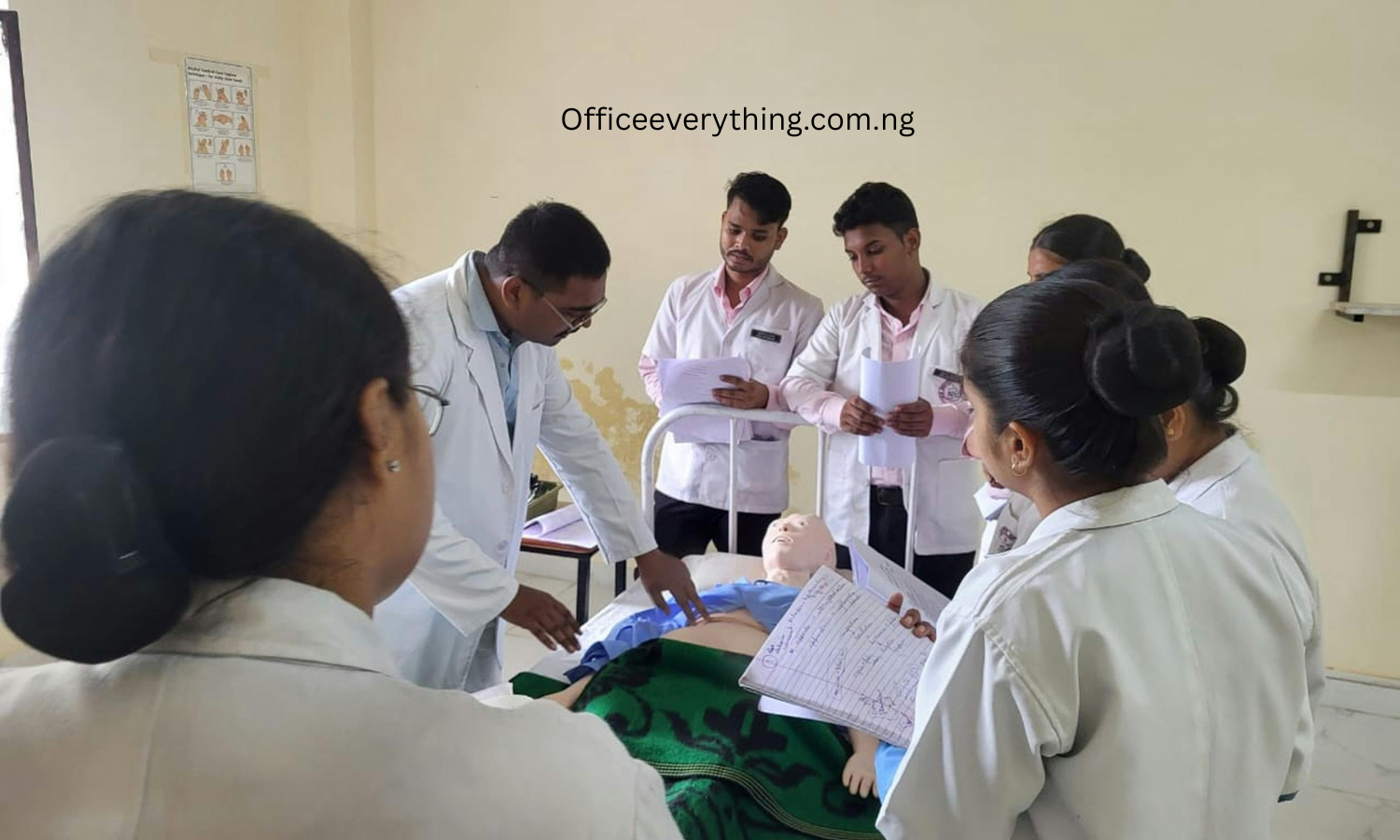
Studying Medicine in Nigeria is one of the most rewarding and respected academic paths you can take.
Every year, thousands of students compete for admission into medical schools across the country and for good reason.
Nigeria is home to some of the best medical faculties in Africa, offering strong academic training, hands-on clinical exposure, and a curriculum that prepares students for real-world healthcare challenges.
Whether you’re a secondary school student planning ahead, a parent researching the best options, or someone thinking about switching careers, understanding why Medicine is such a sought-after course in Nigeria is the first step.
In this post, we’ll explore not only the best universities but also why studying Medicine in Nigeria is a smart and rewarding choice.
Why Study Medicine in Nigeria?
Choosing where to pursue a medical degree is a major decision, and Nigeria offers several advantages that make it an excellent choice for aspiring doctors.
Here’s why many students prefer to study Medicine right here at home:
1. Strong Medical Training and Solid Curriculum
Nigerian medical schools follow a rigorous curriculum approved by the Medical and Dental Council of Nigeria (MDCN) and the National Universities Commission (NUC).
See now: Debate: Oppose the Motion That Says a Female Child Is Better Than a Male Child
This ensures that students receive quality education rooted in both theory and practice.
Programs are designed to train students in:
- Basic medical sciences
- Clinical skills
- Patient care
- Ethical medical practice
Graduates are well-equipped to pursue careers locally and internationally.
2. Comprehensive Clinical Exposure
Most top universities in Nigeria are paired with reputable teaching hospitals, giving medical students hands-on experience with real patients.
From surgery rotations to pediatric wards, students get early exposure to clinical environments, which builds confidence and competence.
This practical approach prepares students for:
- Housemanship
- MDCN assessments
- International practice exams (PLAB, USMLE, AMC)
3. Affordable Tuition Compared to Studying Abroad
Studying Medicine abroad can be very expensive, often costing tens of thousands of dollars per year.
Nigerian universities, especially federal and state schools provide a more affordable alternative while still offering quality education.
Check out: Why Education Is Better Than Money: The Power of Knowledge Over Wealth
Students get value for money without compromising on training.
4. Global Recognition of Nigerian Medical Degrees
Graduates from accredited Nigerian medical schools are recognized internationally and can pursue further studies or careers abroad after meeting licensing requirements.
This makes a Nigerian MBBS degree both useful and flexible.
5. Availability of Experienced Lecturers and Medical Specialists
Nigeria has a long history of producing highly qualified doctors, surgeons, researchers, and medical educators.
Many medical school lecturers have training and experience from leading institutions around the world.
Students benefit from:
- Mentorship
- Research opportunities
- Exposure to specialized medical fields
6. Cultural Familiarity and Support System
Studying Medicine in your home country allows you to stay connected with family, culture, and community support systems.
This can make the long and demanding journey to becoming a doctor easier to navigate emotionally and financially.
Key Factors to Consider Before Choosing a Medical School
Choosing the right medical school is one of the most important decisions you’ll make on your journey to becoming a doctor.
While Nigeria has many reputable options, each school is unique, and knowing what to look for can help you make a smart choice.
Here are the key factors every aspiring medical student should consider:
1. Accreditation Status
Before anything else, confirm that the university’s medical program is accredited by the Medical and Dental Council of Nigeria (MDCN) and the National Universities Commission (NUC).
Accreditation ensures the school meets national standards and that your degree will be recognized locally and abroad.
2. Availability of a Teaching Hospital
A quality medical school must be paired with a well-equipped teaching hospital that allows students to gain practical experience.
Check if the hospital handles a high patient volume and offers diverse clinical rotations in areas like:
- Surgery
- Obstetrics and Gynecology
- Pediatrics
- Internal Medicine
- Psychiatry
More exposure = stronger training.
3. Quality of Learning Facilities
Medical students need functional laboratories, libraries, simulation centers, and access to updated medical equipment.
Read also: Teachers Are Better Than Farmers: A Complete Debate Guide
Schools with modern facilities give students a practical advantage and make learning more engaging.
4. Academic Reputation and Ranking
Some universities are known for producing exceptional medical doctors year after year.
Choosing a school with a strong reputation can boost your confidence and enhance your career prospects.
5. Admission Competitiveness
Medicine is highly competitive in Nigeria. Some universities receive massive applications but admit only a small percentage.
Understanding how competitive a school is helps you prepare better and manage your expectations.
6. Cost of Tuition and Living Expenses
Federal universities are usually the most affordable, followed by state and private institutions. Consider:
- Annual school fees
- Accommodation cost
- Textbooks and medical tools
- Cost of living in the school’s location
Choose a school that fits your budget without unnecessary financial strain.
7. Duration and Structure of the Program
Most medical schools in Nigeria offer a 6-year program, but the timelines for pre-clinical and clinical rotations can vary.
Some institutions also have more flexible calendars than others.
8. Availability of Research Opportunities
If you’re interested in academic medicine or research, choose a university known for strong research programs, active publications, and student involvement in medical discoveries.
9. Student Support and Learning Environment
A supportive environment matters. Look for schools that offer:
- Academic support
- Mentorship programs
- Mental health resources
- Active medical student associations
These can improve your experience and performance significantly.
Best Universities in Nigeria for Medicine (Top 10 Ranked)
Nigeria has many reputable universities offering Medicine, but some consistently stand out because of their academic strength, teaching hospitals, and overall track record.
See more: 100+ Debate Topics for Primary and Secondary Schools in Nigeria (2025 Edition)
Below is a list of the top 10 best universities for Medicine in Nigeria, based on reputation, facilities, accreditation, faculty strength, and clinical exposure.
1. University of Ibadan (UI)
Often considered the gold standard, UI is Nigeria’s oldest medical school, known for high academic rigor, advanced research, and the renowned UCH (University College Hospital).
2. University of Lagos (UNILAG)
UNILAG’s College of Medicine, paired with LUTH (Lagos University Teaching Hospital), offers high-quality training and strong clinical exposure in a bustling urban environment.
3. Obafemi Awolowo University (OAU)
With its strong emphasis on both theory and practice, OAU’s College of Health Sciences consistently ranks highly for producing exceptional medical professionals.
4. University of Nigeria, Nsukka (UNN)
UNN’s robust curriculum and teaching hospital in Enugu make it a top choice for students seeking deep academic and clinical grounding.
5. Ahmadu Bello University (ABU) Zaria
ABU has one of the largest teaching hospitals in Nigeria, offering students wide clinical exposure and research opportunities.
6. University of Ilorin (UNILORIN)
Known for its stable academic calendar and strong medical faculty, UNILORIN offers excellent medical training without frequent disruptions.
7. Lagos State University (LASU)
LASUCOM (Lagos State University College of Medicine) provides high-quality medical education, supported by strong clinical rotations and modern facilities.
8. University of Benin (UNIBEN)
UNIBEN’s College of Medical Sciences is well-regarded for its experienced lecturers and structured MBBS program.
9. Delta State University (DELSU)
DELSU’s College of Health Sciences has grown rapidly in reputation, offering quality medical training with increasingly improved facilities.
10. Bayero University Kano (BUK)
With its well-established teaching hospital and strong faculty, BUK is considered one of the best medical schools in Northern Nigeria.
Best Private Universities in Nigeria for Medicine
Private universities in Nigeria are becoming increasingly popular among medical students due to their modern facilities, smaller class sizes, and stable academic calendars.
Check out: Best Debate Greetings: How to Greet Judges and Audience with Confidence
While tuition fees are typically higher than in federal or state institutions, many students appreciate the uninterrupted academic year and high-quality learning environment.
Here are some of the best private universities offering Medicine (MBBS) in Nigeria:
- Afe Babalola University (ABUAD), Ado-Ekiti – Known for its world-class teaching hospital and advanced simulation laboratories.
- Babcock University, Ogun State – Offers a highly structured MBBS program with strong clinical rotations.
- Bowen University, Osun State – Well-equipped medical school with a focus on research and clinical excellence.
- Madonna University, Anambra State – One of the oldest private universities offering medicine in Nigeria.
- Igbinedion University, Okada (IUO) – The first private university to produce medical doctors in Nigeria.
These institutions are ideal for students seeking a more personalized academic experience and modern learning environment.
Cost of Studying Medicine in Nigeria (Federal, State & Private)
The cost of studying Medicine in Nigeria varies widely depending on the type of institution:
1. Federal Universities
Generally the most affordable.
Annual tuition typically ranges between ₦50,000 – ₦150,000, excluding accommodation and other fees.
Examples: UNILAG, UI, UNN, ABU Zaria.
2. State Universities
Moderately priced, with tuition between ₦200,000 – ₦500,000 annually.
Costs depend on the state and the school’s funding structure.
Examples: LASU, RSU, Delta State University.
3. Private Universities
Highest tuition range due to advanced infrastructure and stable calendars.
Tuition can range from ₦2 million – ₦5 million per year, depending on the university.
Examples: ABUAD, Babcock, Bowen, Igbinedion.
Understanding these costs helps families plan ahead and choose an institution that aligns with their budget.
Duration of Studying Medicine in Nigeria
The MBBS program in Nigeria typically takes 6 years, which includes:
- Pre-med/Foundation year (for some institutions)
- Pre-clinical training
- Clinical rotations
- Final year/Senior clerkship
In some cases, strikes or delays can extend the program beyond 6 years in public universities, but private universities generally maintain a stable timeline.
Admission Requirements for Studying Medicine in Nigeria
To study Medicine (MBBS) in Nigeria, applicants must meet the following core requirements:
1. O’Level Requirements
A minimum of 5 credit passes in:
- Biology
- Chemistry
- Physics
- English Language
- Mathematics
(Obtained in not more than two sittings.)
2. JAMB UTME
Choose Medicine and Surgery as your course.
Target 280–320+ for competitive advantage.
Required subjects: Biology, Chemistry, Physics, English.
3. Post-UTME/Screening
Many universities conduct written Post-UTME exams.
Others use screening methods based on UTME + O’Level grades.
4. Direct Entry Route
Candidates with:
- A’Level (or JUPEB) passes in Biology, Chemistry & Physics
- A previous degree in biological sciences (some universities accept this)
Meeting these requirements significantly increases your chances of admission into a top Nigerian medical school.
FAQs About Studying Medicine in Nigeria
1. Is Medicine in Nigeria difficult to study?
Yes, Medicine is demanding, but with discipline and consistent study habits, students can excel.
2. Which university is best for Medicine in Nigeria?
The University of Ibadan (UI) is widely regarded as the best, followed closely by UNILAG and UNN.
3. Can I study Medicine without writing JAMB?
Yes, through Direct Entry, JUPEB, or Pre-degree/Foundation, depending on the university.
4. Do private universities offer MBBS in Nigeria?
Yes, many private institutions like ABUAD, Babcock, Bowen, and Igbinedion offer accredited medical programs.
5. How long does it take to become a medical doctor?
Between 6–7 years, including internship (housemanship) and NYSC.
Conclusion
Studying Medicine in Nigeria is a rewarding journey that requires dedication, resilience, and choosing the right institution.
With several reputable federal, state, and private universities offering MBBS programs, students have a variety of options based on their budget, academic goals, and desired learning environment.
By understanding the costs, admission requirements, and ranking of medical schools, you can make a well-informed decision that sets you on the path to a successful medical career.
Whether you choose a top federal university or a private institution with modern facilities, your journey to becoming a doctor in Nigeria starts with the right choice.