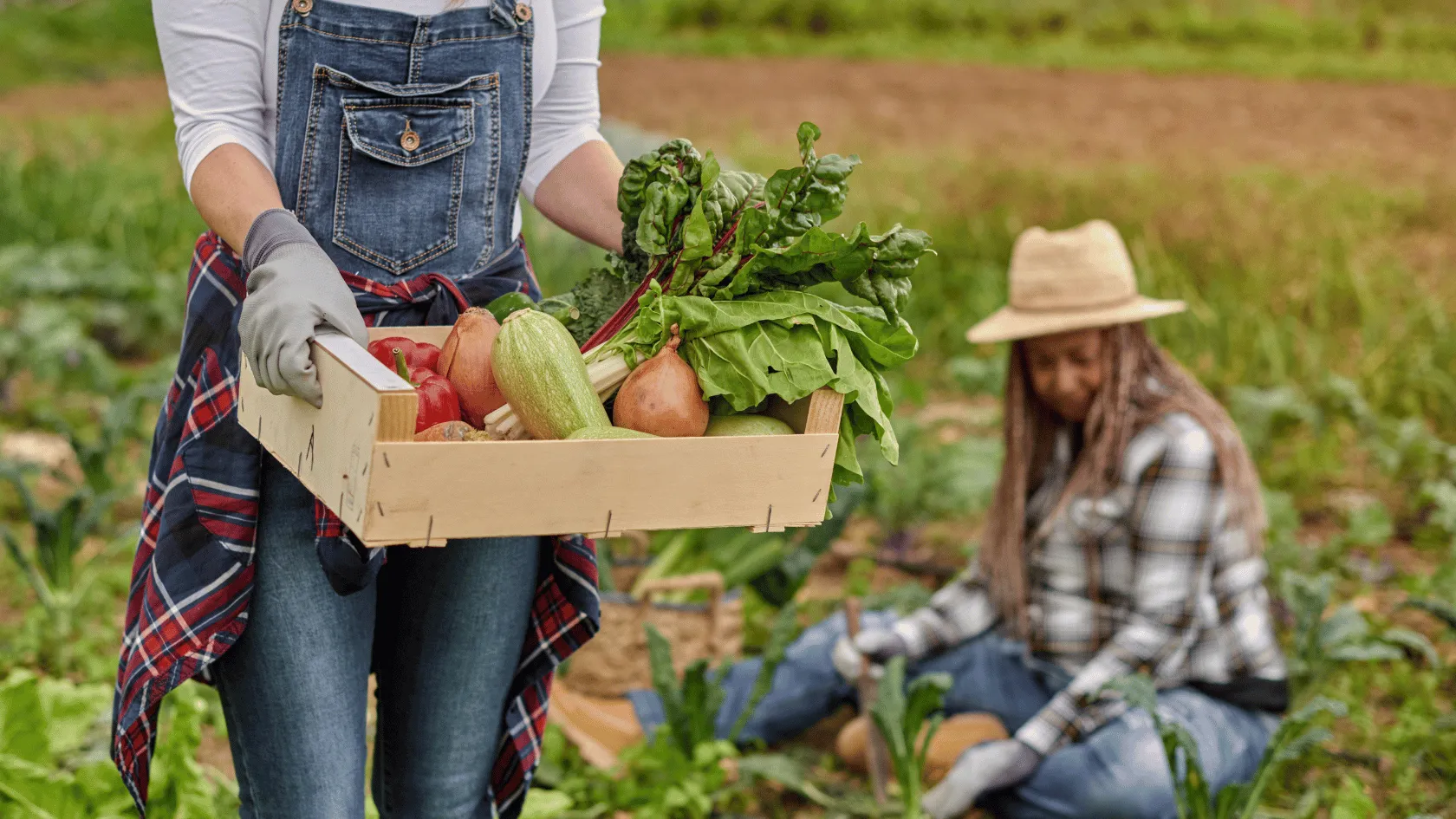
Have you ever wondered about the differences between farmers and teachers?
At first glance, they might seem like two professions worlds apart, one works in the fields growing food, while the other spends time in classrooms shaping young minds.
But when you look closely, both play incredibly important roles in keeping society alive and thriving.
Farmers make sure we eat, while teachers make sure we learn. Without one, survival becomes hard; without the other, growth becomes impossible.
In this post, we’ll explore the unique differences between farmers and teachers, highlight what they have in common, and understand why both are equally essential to the progress of any community.
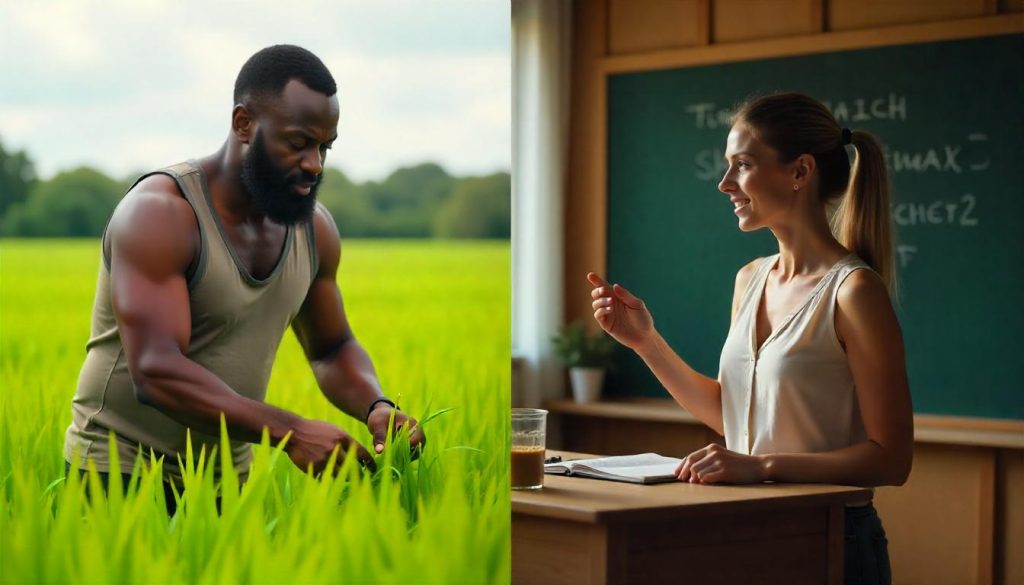
Who is a Farmer in Simple Words?
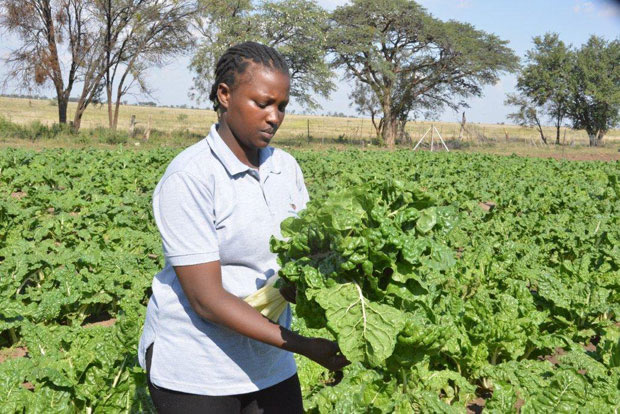
A farmer is someone who grows food for us to eat. In simple words, a farmer is a person who works on the land, planting crops like rice, maize, or vegetables, and sometimes raising animals like chickens, goats, or cows.
Farmers wake up early, spend long hours on the farm, and use their skills to make sure we have enough food to stay healthy and strong.
Without farmers, there would be no rice on our tables, no fruits in our baskets, and no milk in our cups.
They are the backbone of food production, making sure that families and communities never go hungry.
Who is a Teacher in Simple Words?
A teacher is someone who helps us learn new things. In simple words, a teacher is a person who explains lessons, guides students, and makes learning easier and fun.
Teachers work in schools, classrooms, or even online, helping children and adults understand subjects like math, science, reading, or history.
Beyond books, teachers also teach values such as kindness, discipline, and teamwork.
Just like farmers feed our bodies with food, teachers feed our minds with knowledge. They play a big role in shaping who we become in the future.
Farmers vs Teachers: Key Differences Explained
Ever wondered how different life must be for a farmer compared to a teacher? On the surface, their jobs seem worlds apart, one works in fields, the other in classrooms.
But dig a little deeper, and you’ll uncover fascinating contrasts, and even some surprising similarities.
This article thoroughly explains the differences between farmers and teachers in a way that’s easy to understand, with plenty of real-life comparisons and down-to-earth explanations.
Let’s break it down together.
1. Work Environment
Farmers typically spend their days outdoors; on fields, in barns, or with animals. Their office is the open sky, with fresh air, sunshine, and sometimes, mud up to their knees.
Read more: What is the National Policy on Education
Teachers, on the other hand, work mostly indoors. Their “field” is a classroom filled with desks, chalkboards, or smartboards, and, of course, students of all ages.
This one contrast alone paints a vivid picture of just how different their daily surroundings are.
2. Daily Routine
A farmer’s day often begins before sunrise. From feeding livestock to checking irrigation systems or harvesting crops, every task is physically hands-on and driven by nature’s timeline.
A teacher’s day starts a bit later, typically around 7 or 8 a.m., and revolves around lesson plans, student engagement, and classroom management.
While farmers might deal with tractors and animals, teachers juggle books, whiteboards, and curious young minds.
3. Education and Training
To become a teacher, you usually need a formal degree, teaching certification, and sometimes even a master’s degree. It’s a structured path, with years of education.
See more: How to start a debate
Farmers, though, might learn the ropes on the job. Many inherit family farms or gain knowledge through experience, though agricultural degrees and training programs are increasingly common today.
So, while teachers often learn in universities, farmers often learn in the fields, literally.
4. Tools of the Trade
Farmers rely on heavy machinery like tractors, plows, and harvesters, along with hand tools, seeds, and fertilizers.
Teachers use pens, laptops, books, projectors, and sometimes even puppets or musical instruments to get their lessons across.
It’s a bit like comparing a toolbox to a briefcase, different tools for different goals.
5. Impact on Society
Both roles are essential. Farmers feed the nation. Without them, grocery store shelves would be empty. Teachers, meanwhile, shape the minds of future generations.
Check out: Debate on Education is Better Than Money
You could say farmers nourish our bodies, while teachers nourish our minds.
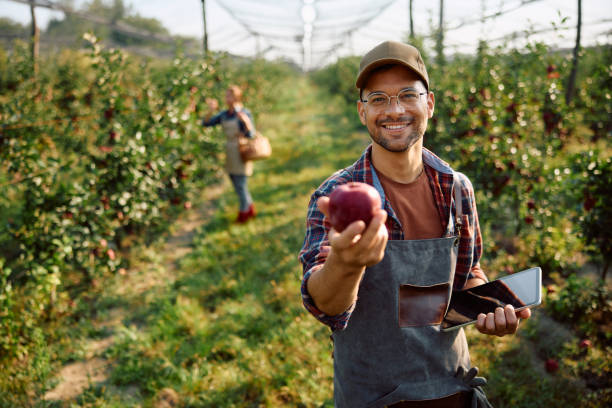
One plows the soil, the other sows the seeds of knowledge.
6. Work Schedule and Seasons
Farming is seasonal. Planting, growing, and harvesting follow a natural calendar, and farmers work long hours during busy seasons and slower ones during the off-season.
Teachers work on a more predictable academic schedule, usually from August or September to May or June, with summers off or reserved for planning and training.
So, while teachers rest in summer, farmers might be working the hardest.
7. Earnings and Economic Stability
Generally, teaching offers more stability. Teachers receive a regular salary, benefits, and pension plans (depending on the country or state).
See more: Make the Most of Your Opportunity to Study and Work Abroad!
Farming income can fluctuate dramatically, depending on weather, market prices, and crop yields. A bad season can mean financial loss, while a great harvest might not always mean more income due to market drops.
8. Physical vs Mental Demands
Farming is physically demanding. Long hours in the sun, lifting, bending, and operating machinery take a toll on the body.
Teaching is mentally and emotionally demanding. It involves constant communication, problem-solving, and emotional labor, especially when dealing with behavioral issues or struggling students.
Both jobs are tough in their own way.
9. Risk and Uncertainty
Farmers face uncertainties every day, weather, pests, diseases, and fluctuating markets. A sudden frost or drought can wipe out months of work.
Read on: Top 6 most expensive secondary schools in Lagos and their cost
Teachers face challenges too, but they’re generally more structured and secure. The risks they navigate are more about student outcomes, safety, and administrative pressures.
10. Job Satisfaction and Fulfillment
Many farmers find deep satisfaction in working with nature, seeing tangible results from their labor, and maintaining traditions.
Teachers often feel rewarded by helping students grow, succeed, and become confident individuals.
Both professions offer meaning, but in very different ways.
11. Public Perception and Status
Historically, teachers have been seen as educated and respected community leaders. They’re often associated with knowledge and development.
Farmers, while crucial, are sometimes undervalued in modern society, despite being the backbone of food production.
Read more: Boarding School vs. Day School: Which is Better?
This perception gap doesn’t reflect their importance, but it does show how society values different kinds of work.
12. Connection to the Community
Both are community-based professions. Farmers often work in local networks, markets, and cooperatives. Their farms might be in the same family for generations.
Teachers build relationships with families, schools, and neighborhoods. They often watch kids grow up and become adults in the same town.
Each role weaves into the fabric of local life.
13. Career Growth and Advancement
Teachers have a clearer path for promotions, moving into administration, curriculum design, or education policy.
For farmers, growth may come from expanding land, adopting new technologies, or shifting to agribusiness. It’s often more entrepreneurial and risky.
So, while both can grow, teachers often have more structured ladders.
14. Legacy and Generational Influence
Farming is often a family tradition, passed down from generation to generation. It’s not uncommon to find fourth- or fifth-generation farmers still on the land.
See also: Western University Scholarships in Australia
Teaching also has legacy, but it’s usually more individual. A teacher’s legacy lives on in the lives they’ve influenced.
You could say one passes down land, the other passes down wisdom.
15. Common Ground and Mutual Respect
At the end of the day, farmers and teachers both serve others. They work long hours, often without the recognition they deserve, and shape the world in ways we sometimes take for granted.
One grows crops, the other grows minds. And both leave a lasting impact.
Conclusion on differences between farmers and teachers
So, what are the real differences between farmers and teachers? It’s not just about fields vs. classrooms or tractors vs. textbooks. It’s about how each shapes our world, one harvest or one student at a time.
See now: 10 Reasons Why School Uniforms Are Compulsory for Students
Whether you prefer the smell of fresh soil or the sound of a classroom bell, it’s clear both professions are cornerstones of a thriving society. And maybe, just maybe, we should be celebrating them both a little more.
FAQs on Differences Between Farmers and Teachers
1. Do farmers and teachers require similar educational qualifications?
Not necessarily. Teachers typically need formal degrees and certifications, while farmers may learn through experience, apprenticeships, or agricultural programs.
2. Which profession is more physically demanding?
Farming is generally more physically demanding due to manual labor and outdoor conditions, while teaching is mentally and emotionally intense.
3. Are farmers or teachers better paid?
It varies by country and region, but teachers usually have more stable income, while farming income can greatly fluctuate.
4. Can a person be both a farmer and a teacher?
Absolutely. Some people teach agricultural sciences or run educational farms, blending both worlds beautifully.
5. Why is it important to understand the differences between farmers and teachers?
Appreciating their roles helps us value how different types of work contribute to society in unique and vital ways.
6. Who is more important: farmers or teachers?
This is one of the most common debates when discussing the differences between farmers and teachers.
The truth is, it’s not about who is “more important” but about how both professions balance each other.
Farmers provide the food that keeps us alive, while teachers provide the knowledge that helps us grow, innovate, and make better decisions, including in farming.
One cannot function well without the other, which means both are equally vital to society.
7. How do farmers and teachers contribute differently to society?
Farmers contribute by cultivating crops, raising livestock, and ensuring we have food security.
Teachers contribute by educating students, building skills, and passing knowledge from one generation to the next.
The differences between farmers and teachers lie mainly in their fields of impact, farmers sustain our bodies, teachers shape our minds. Together, they form the foundation of a strong community.
8. What skills make farmers and teachers different?
Farmers rely heavily on physical strength, patience, knowledge of agriculture, and resilience against nature’s unpredictability.
Teachers, on the other hand, use communication, critical thinking, empathy, and subject knowledge to educate students.
These skill sets highlight the differences between farmers and teachers, but both require discipline, dedication, and a passion for their work.
9. Can farmers also be teachers, and vice versa?
Absolutely. A farmer can teach others about modern farming techniques, sustainability, and the importance of agriculture. Similarly, a teacher can guide students into agricultural studies or research.
In fact, the line between both roles often overlaps, showing that while there are clear differences between farmers and teachers, their roles can complement each other beautifully.