Junk food has become a common part of many students’ daily lives, from chips and sodas during lunch breaks to fast snacks after school.
But when it comes to the question of whether schools should continue allowing it, opinions are sharply divided.
In this argumentative essay: should schools ban junk food?, we explore both sides of the debate.
Some argue that banning junk food is necessary to protect students’ health and improve academic performance, while others believe it should be left to personal choice and moderation.
This discussion isn’t just about food, it’s about responsibility, health, freedom, and the role schools play in shaping the future of young people.
Junk food – it’s everywhere. From vending machines to cafeteria offerings, schools are filled with snacks that are often high in sugar, fat, and empty calories.
The debate over whether schools should ban junk food is a hot topic, touching on health, academic performance, and personal freedoms.
Let’s dive into the arguments for and against banning junk food in schools, exploring the potential benefits and drawbacks of such a policy.

The Prevalence of Junk Food in Schools
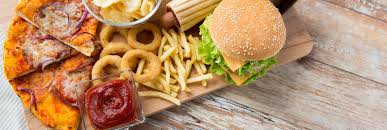
Walk into any school, and you’ll likely find an array of junk food options. Chips, candy bars, sugary drinks – these are staple items in many school vending machines and cafeterias.
According to a study by the U.S. Department of Agriculture, nearly 40% of schools offer junk food to their students.
This widespread availability raises concerns about the impact on students’ health and well-being.
Health Impacts of Junk Food
Short-Term Effects on Students
In the short term, consuming junk food can lead to energy spikes and crashes, impacting students’ ability to focus and stay alert during class.
Check out: How to Start a Debate Greeting in School
High sugar intake can cause hyperactivity, followed by periods of lethargy, making it difficult for students to maintain consistent energy levels throughout the day.
Long-Term Health Consequences
Long-term consumption of junk food is linked to serious health issues such as obesity, type 2 diabetes, and heart disease.
Childhood obesity rates have skyrocketed, with the Centers for Disease Control and Prevention (CDC) reporting that nearly 20% of children and adolescents are obese.
This epidemic poses significant long-term health risks that can follow children into adulthood.
Academic Performance and Junk Food
Impact on Concentration and Energy Levels
A diet high in junk food can negatively affect students’ concentration and cognitive function.
Studies have shown that students who consume a balanced diet with adequate nutrients perform better academically than those who regularly consume junk food.
Correlation Between Diet and Academic Success
There is a clear link between healthy eating and academic performance. Proper nutrition supports brain function, memory, and overall cognitive abilities, which are essential for learning and academic success.
Behavioral Issues Linked to Junk Food
Sugar and Hyperactivity
High sugar intake is often associated with hyperactivity in children. This can lead to disruptive behavior in the classroom, making it difficult for both students and teachers to maintain a conducive learning environment.
Discipline Problems in Schools
Schools that allow unrestricted access to junk food often face more discipline issues. The erratic behavior caused by sugar highs and lows can lead to increased incidents of misbehavior and challenges in managing classrooms effectively.
Arguments for Banning Junk Food

Healthier Students
Banning junk food in schools can lead to healthier students. By removing unhealthy options, schools can encourage better eating habits and contribute to the overall well-being of their students.
Improved Academic Performance
With healthier food options, students are likely to see improvements in their academic performance.
Better nutrition can enhance focus, memory, and cognitive function, leading to better grades and academic outcomes.
Long-Term Benefits for Society
Healthy children grow into healthy adults. By instilling good eating habits early on, schools can help reduce the prevalence of chronic diseases and promote a healthier society in the long run.
Arguments Against Banning Junk Food
Personal Freedom and Choice
One of the main arguments against banning junk food is that it infringes on personal freedom and choice.
Read on: Scholarships to Study in the United States: Everything you need to know to get one
Critics argue that students should have the right to choose what they eat and that a ban is an overreach of authority.
Practicality and Enforcement Issues
Enforcing a junk food ban can be challenging. Schools may struggle to monitor and control what students bring from home, and the logistics of implementing a ban can be complex and resource-intensive.
Potential Financial Impact on Schools
Many schools rely on the revenue generated from vending machines and snack sales. Banning junk food could result in significant financial losses, which could impact school funding and resources.
The Role of Parents and Guardians
Parental Responsibility in Children’s Diets
Parents play a crucial role in shaping their children’s eating habits. Schools can’t bear the entire responsibility for students’ diets; parents must also ensure that their children eat healthily at home.
Collaboration Between Schools and Parents
A successful approach to improving student nutrition involves collaboration between schools and parents.
By working together, they can create a consistent message about the importance of healthy eating.
Alternative Solutions to a Ban
Education and Awareness Programs
Rather than implementing a strict ban, schools can focus on educating students about the importance of healthy eating.
Awareness programs and nutrition education can empower students to make better food choices.
Providing Healthier Alternatives
Offering healthier alternatives in vending machines and cafeterias can be a practical compromise.
By making nutritious snacks more available, schools can gradually shift students’ preferences towards healthier options.
Limiting Rather Than Banning Junk Food
Instead of a complete ban, schools could implement limitations on the availability of junk food. This could include restricting junk food sales to certain days or times, or limiting portion sizes.
Case Studies of Successful Bans.
Examples from Schools That Have Implemented Bans
Some schools have successfully implemented junk food bans and seen positive results.
For instance, a school district in California reported a significant decrease in obesity rates after banning junk food from their cafeterias and vending machines.
Outcomes and Feedback
Feedback from schools that have implemented bans indicates that students and parents appreciate the healthier environment.
While there are challenges, the overall outcomes have been positive, with improved student health and academic performance.
The Economic Aspect of Junk Food in Schools
Revenue from Vending Machines and Snack Sales
Junk food sales generate substantial revenue for many schools. This income often supports extracurricular activities, school events, and other programs.
Check out: Debate on Education Is Better Than Money – Strong Points for Both Sides
Financial Implications of a Ban
Implementing a ban could lead to financial shortfalls. Schools would need to find alternative sources of revenue to compensate for the loss, which could be a significant challenge.
Public Opinion on Junk Food Bans
Surveys and Polls
Public opinion on junk food bans is mixed. Surveys show that while many parents support healthier school environments, others are concerned about the restrictions on personal choice and the practicality of enforcement.
General Consensus Among Parents, Students, and Educators
The general consensus among parents, students, and educators varies. While there is broad support for promoting healthier eating habits, opinions differ on whether a complete ban is the best approach.
Policy Recommendations
Steps for Implementing a Ban
If a school decides to implement a junk food ban, it should follow a clear, step-by-step process.
This includes conducting a needs assessment, developing a comprehensive policy, and ensuring effective communication with all stakeholders.
Balancing Restrictions with Freedoms
It’s important to strike a balance between promoting health and respecting personal freedoms. Policies should aim to encourage healthier choices without being overly restrictive or punitive.
Conclusion on Should Schools Ban Junk Food?
In the end, the debate on “argumentative essay: should schools ban junk food?” is more than just about snacks, it’s about values, discipline, and the long-term well-being of students.
While banning junk food may feel restrictive to some, it is clear that schools have a duty to create an environment that supports healthy habits and academic success.
See now: Top 21 Debate Greetings Proverbs to Start Your Speech with Impact
Teaching children the importance of balanced nutrition, while limiting easy access to unhealthy options, helps them make better choices even beyond the classroom.
Whether through a complete ban or stricter regulations, the focus should always remain on protecting students’ health and giving them the tools to thrive both inside and outside school walls.
The debate over whether schools should ban junk food is complex, with valid arguments on both sides.
While a ban could lead to healthier students and improved academic performance, it also raises concerns about personal freedom, practicality, and financial impact.
Ultimately, the decision should involve input from all stakeholders, including parents, students, and educators, to find a balanced approach that promotes health and well-being.
FAQs on Junk food
What constitutes junk food in schools?
Junk food typically includes items high in sugar, fat, and calories but low in nutritional value, such as chips, candy, and sugary drinks.
Are there any successful models of junk food bans?
Yes, several schools have implemented successful bans, reporting positive outcomes such as reduced obesity rates and improved student health.
How do junk food bans affect school revenue?
Banning junk food can lead to a loss of revenue from vending machines and snack sales, which may impact funding for school programs and activities.
What alternatives can schools provide instead of junk food?
Schools can offer healthier alternatives such as fruits, vegetables, whole-grain snacks, and water or natural fruit juices.
How can parents support healthy eating habits at home?
Parents can support healthy eating by providing nutritious meals, educating their children about healthy choices, and leading by example with their own eating habits.