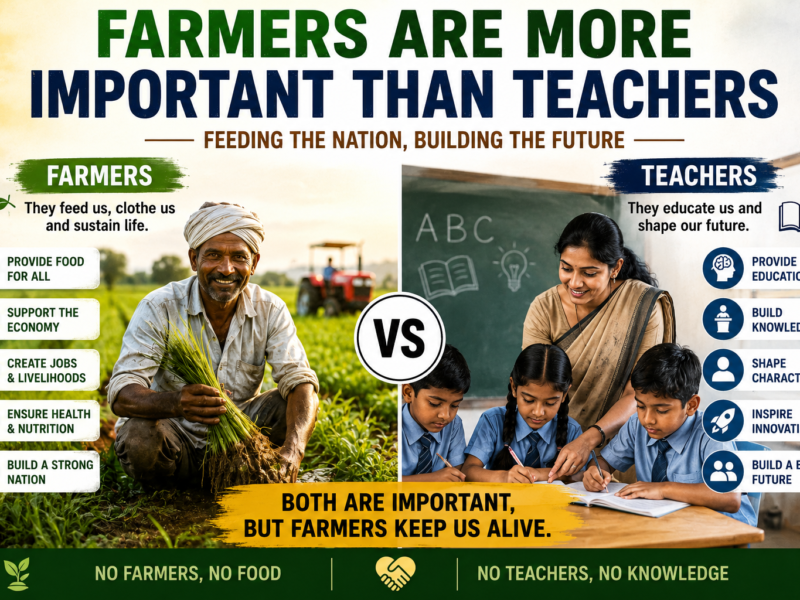
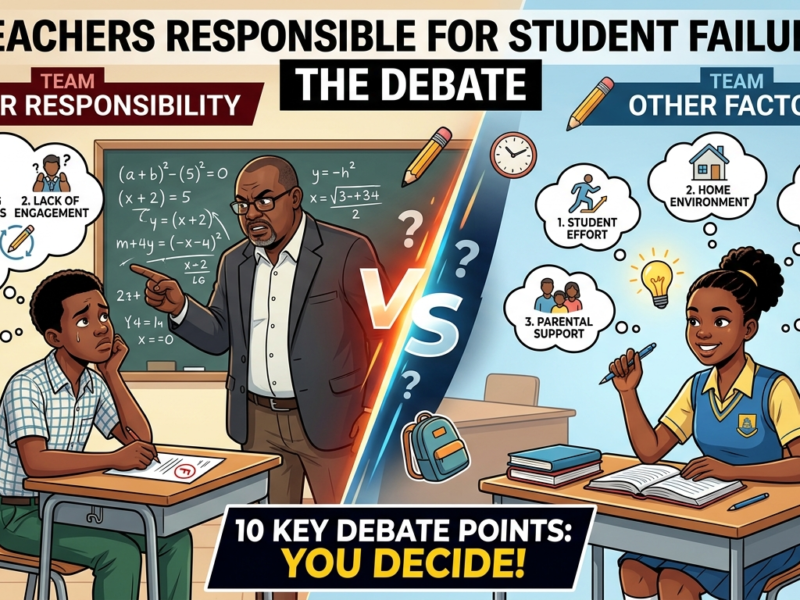
Debates are not just for politicians or high schoolers, they can be an exciting and educational activity even for young learners in primary school.
Introducing easy debate topics for primary pupils helps children think critically, express themselves, and learn how to respect different opinions.
Think of debates like a friendly tug-of-war with ideas instead of ropes. Pupils get to pull their thoughts, stretch their creativity, and learn teamwork all at once.
This guide will walk you through fun, age-appropriate debate topics, tips for teachers, and how to make debates enjoyable for kids.
Why Debates Matter for Primary Pupils
Debates give pupils the chance to think independently, speak confidently, and listen to others. At a young age, children are curious and love to share opinions.
Read on: Education Is Better Than Money Debate: 7 Powerful Reasons Why Knowledge Wins
A debate makes learning interactive, just like turning the classroom into a fun stage where every child has a role to play.
What Makes a Debate Topic “Easy”?
An easy debate topic is one that pupils can understand without needing deep research. For example:
- “Should homework be banned?”
- “Is playing outside better than watching TV?”
These topics are relatable to their everyday lives, making it easier for them to form opinions.
Tips for Introducing Debates in Primary Schools
- Start Small: Begin with group discussions before formal debates.
- Pick Familiar Topics: Use everyday issues pupils can relate to.
- Encourage Both Sides: Make sure children understand there’s no “wrong” opinion.
- Keep it Short: 5–10 minutes per debate is enough for young learners.
Fun and Simple Debate Rules for Pupils
- Raise your hand before speaking.
- Listen when others are talking.
- Speak clearly and kindly.
- No shouting or teasing.
- Respect everyone’s opinion.
These rules keep debates friendly and fun, avoiding the stress of “winning” or “losing.”
Social Debate Topics for Primary Pupils
- Should children be allowed to stay up late?
- Is it better to have one best friend or many friends?
- Should birthdays be celebrated at school?
- Is sharing always the best option?
School and Education Debate Topics
- Should pupils wear uniforms?
- Is homework necessary for learning?
- Which is better: group work or individual work?
- Should schools have longer holidays?
Read also: Top 21 Debate Greetings Proverbs to Start Your Speech with Impact
Technology Debate Topics for Kids
- Should children be allowed to use smartphones?
- Are video games good for children?
- Which is better: online learning or classroom learning?
- Should kids spend more time on the internet?
- Environment-Themed Debate Topics
- Should children plant a tree every year?
- Is it better to recycle or reuse?
- Should plastic bags be banned?
- Is keeping animals in zoos right or wrong?
Food and Lifestyle Debate Topics
- Is chocolate better than ice cream?
- Should junk food be banned in schools?
- Which is better: breakfast or dinner?
- Is it healthier to eat fruits or vegetables?
Animals and Pets Debate Topics
- Dogs vs. Cats: Which is the better pet?
- Should everyone have a pet?
- Are wild animals happier in the wild or in the zoo?
- Should pets be allowed in classrooms?
Seasonal and Holiday Debate Topics
- Is Christmas better than Easter?
- Should schools celebrate Valentine’s Day?
- Which is better: rainy season or dry season?
- Should children get gifts every holiday?
How to Encourage Shy Pupils to Participate
- Pair them with confident partners.
- Let them start with smaller speaking roles.
- Praise effort, not just performance.
- Create a safe, supportive atmosphere.
Mistakes Teachers Should Avoid
- Avoid choosing overly complex topics.
- Don’t let one pupil dominate.
- Don’t criticize harshly, encourage instead.
- Keep debates short to hold children’s attention.
How Debates Build Future Skills
Debates help pupils develop:
- Critical thinking (understanding both sides of an issue).
- Public speaking (speaking confidently in front of others).
- Teamwork (working with peers on arguments).
- Problem-solving (finding creative solutions).
These skills stay with them beyond primary school, shaping future leaders.
Conclusion and Final Thoughts
Debates are more than classroom activities, they’re stepping stones for young pupils to become confident, thoughtful individuals.
See now:
By choosing easy debate topics for primary pupils, teachers and parents can make learning fun, interactive, and truly impactful.
FAQs on easy debate topics for primary pupils
1. What are some good easy debate topics for primary pupils?
Topics like “Should homework be banned?” and “Is chocolate better than ice cream?” are simple and relatable.
2. How long should a primary school debate last?
About 5–10 minutes is ideal to keep young pupils focused and engaged.
3. Can debates be done without winners or losers?
Yes! The goal is learning and participation, not competition.
4. How can teachers make debates fun?
By choosing playful topics, keeping rules simple.