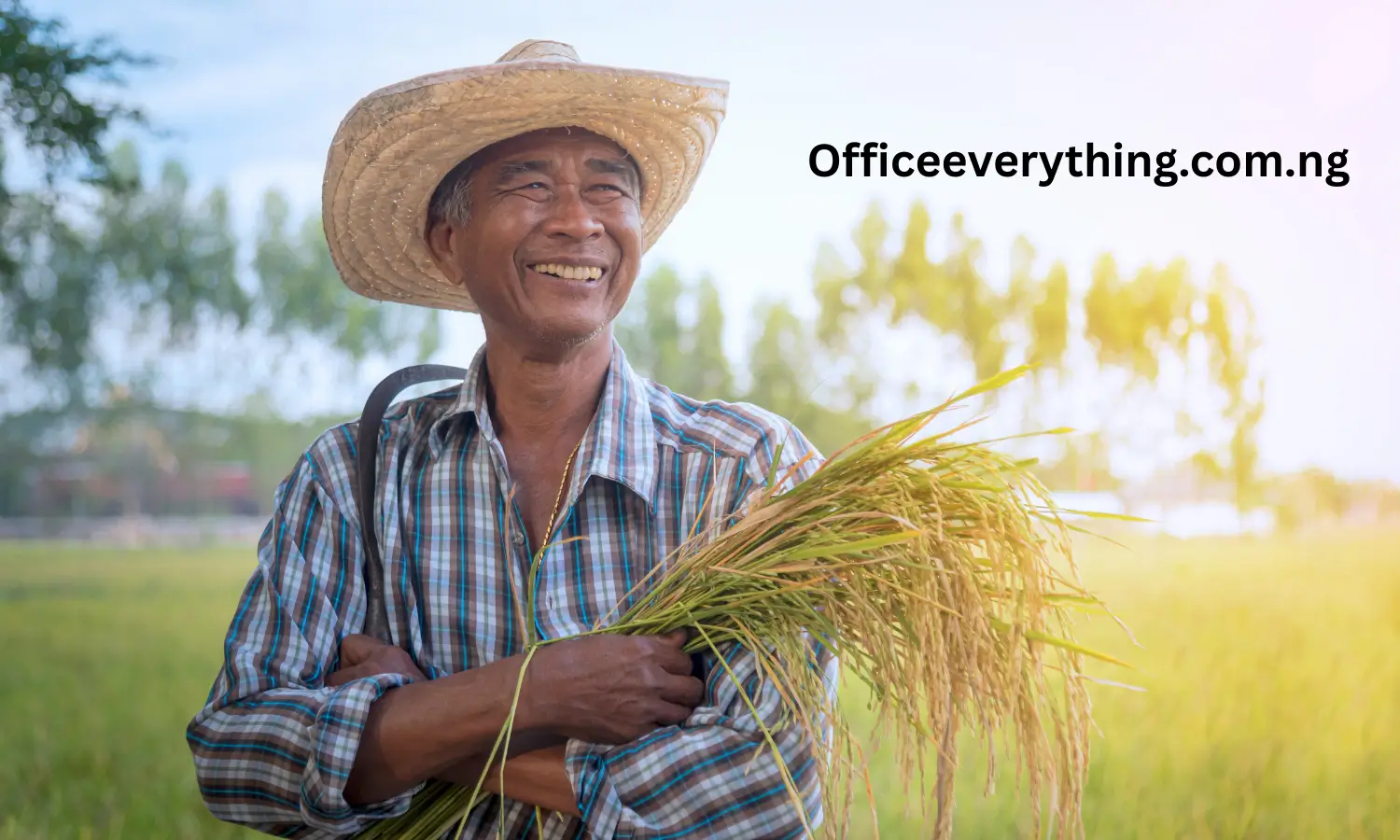
Have you ever wondered who contributes more to society a farmer or a teacher?
It’s a classic debate, and while both are undeniably important, this article presents a strongly persuasive argument on why the farmer holds a more fundamental place in human survival and development.
After all, without food, learning isn’t even possible. By the end, you’ll understand clear, compelling reasons that support the statement: a farmer is better than a teacher in terms of essential societal impact.
Why Farmer is Better than Teacher Debate Points
1. Importance of Farmers in Human Survival
Farmers are the reason every society continues to exist. Before schools, books, or formal learning systems existed, people still depended on the land for survival.
Read now: Why Education Is Better Than Money: The Power of Knowledge Over Wealth
No matter how educated someone becomes, they must still eat. This alone makes farmers more essential in the hierarchy of human needs.
2. Why Food Comes Before Education
Imagine walking into a classroom on an empty stomach. Can you focus? Can you learn?
Of course not.
Food is a basic survival need. Education is a higher-level need. This makes farmers more crucial because they meet the primary need that allows education to happen in the first place.
3. Farmers as the Backbone of Every Economy
Every nation, developed or developing relies on agriculture. Without agricultural production:
- No food supply
- No raw materials for industries
- Increased poverty and hunger
- Economic instability
Even advanced countries like the United States, China, and India depend heavily on their farmers.
4. Teachers vs. Farmers: Who Is More Essential?
Teachers shape the mind. Farmers sustain the body.
One cannot replace the other, but when debating which one is more essential, the answer points toward farmers because survival must always come before learning.
A society can survive temporarily without formal education, but no society can survive without food.
5. The Role of Farmers in Nation-Building
Farmers are nation builders in the truest sense:
- They feed the population
- They support industries
- They drive export revenue
- They create jobs
- They ensure food security
A hungry nation cannot grow academically, physically, or intellectually.
See also: Why a Female Child Is Better Than a Male Child – The Honest Truth
6. Farmers Create the Foundation for Learning
There is a popular analogy:
A teacher lights the mind, but a farmer keeps the flame alive.
Without farmers:
- Schools would close
- Students would be too hungry to learn
- Teachers themselves would not function
Teachers depend on farmers before they begin their daily work.
7. Farmers Work Harder Physically and Mentally
Farming is not just planting crops. It requires:
- Planning
- Studying soil
- Monitoring weather
- Managing pests
- Financial risk-taking
- Physical labor
Farmers wake up early, stay up late, and often work under harsh weather.
Teachers work hard too but farmers face both physical and environmental challenges daily.
8. Farmers Contribute More to Daily Human Needs
Think about your day:
- Breakfast
- Lunch
- Dinner
Every meal comes from the hands of a farmer. Teachers contribute intellectually, but farmers contribute physically, mentally, and socially to your everyday survival.
9. Teachers Depend on Farmers First
Before teachers enter the classroom, they rely on:
- Farmers to grow their food
- Farmers to supply raw materials
- Farmers to support the economy that funds education
This dependency shows that farming is the more foundational profession.
Read on: Winning Debate Points: Why a Mother is Better Than a Father
10. Why Farmers Face More Risks Than Teachers
Farmers regularly deal with:
- Unpredictable weather
- Floods and drought
- Market fluctuations
- Crop failures
- Pest invasions
- Rising costs
Teachers face challenges, but not life-threatening ones tied to climate, environment, and physical exhaustion.
Farmers take bigger risks so society can eat.
11. Economic Importance of Agriculture
Agriculture supports:
- Food processing industries
- Textile industries
- Export commodities
- Rural development
Millions of jobs depend directly or indirectly on farming.
A world without farmers equals economic collapse.
12. Social Impact of Farmers
Farmers maintain social stability by ensuring food availability. Food scarcity leads to:
- Conflict
- Inflation
- Social unrest
- Migration
- Malnutrition
Their role in stabilizing society is unmatched.
13. Moral and Cultural Values Taught by Farmers
Farmers teach:
- Hard work
- Patience
- Discipline
- Respect for nature
- Community cooperation
These values shape society long before academic education begins.
14. Why Farmers Deserve More Respect
Sadly, farmers often do not receive the respect they deserve, despite:
- Feeding the nation
- Facing high risks
- Working long hours
- Earning low profit margins
Educated people, leaders, and professionals all depend on them daily.
Farmers deserve more appreciation than they currently receive.
Conclusion
Both farmers and teachers play significant roles in society, but when considering essentiality, farmers stand above teachers because they meet the most basic human need food.
Without farmers, no learning, development, or nation-building can occur. They feed the world, support economies, and sustain life itself.
Check out: What is the National Policy on Education
Understanding their value helps us appreciate and respect the people who work tirelessly to keep the world nourished.
FAQs on Why Farmer is Better than Teacher Debate Points
1. Why is a farmer considered more important than a teacher?
Because farmers provide food, which is essential for survival. Without food, learning cannot take place.
2. Can teachers exist without farmers?
No. Teachers rely on farmers for food and agricultural materials, which sustain their daily lives.
3. Do farmers contribute more to the economy?
Yes. Agriculture is a major economic sector, supporting industries, exports, and employment.
4. Who faces more risk farmers or teachers?
Farmers face higher risks due to climate, pests, crop failure, and financial losses.
5. Why should farmers be respected more?
Farmers work harder, take on greater risks, and support the survival of every individual.