How to prepare for an exam in short time, proven steps for Nigerians

how to prepare for an exam in short time

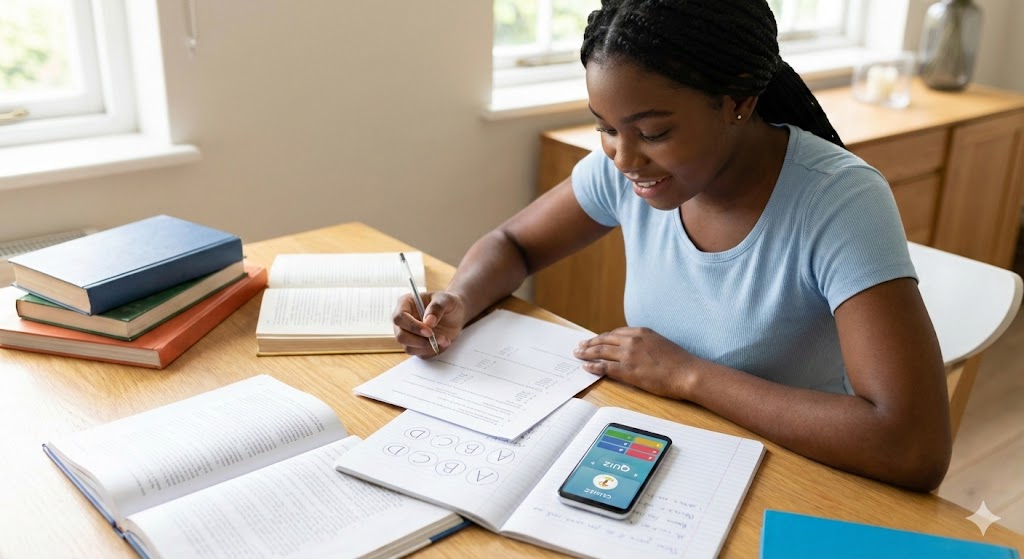
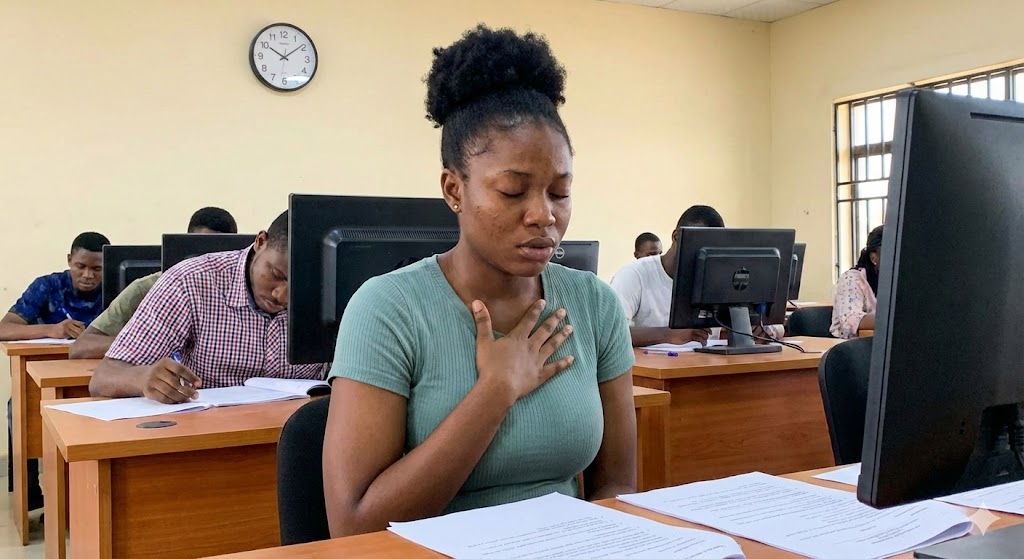
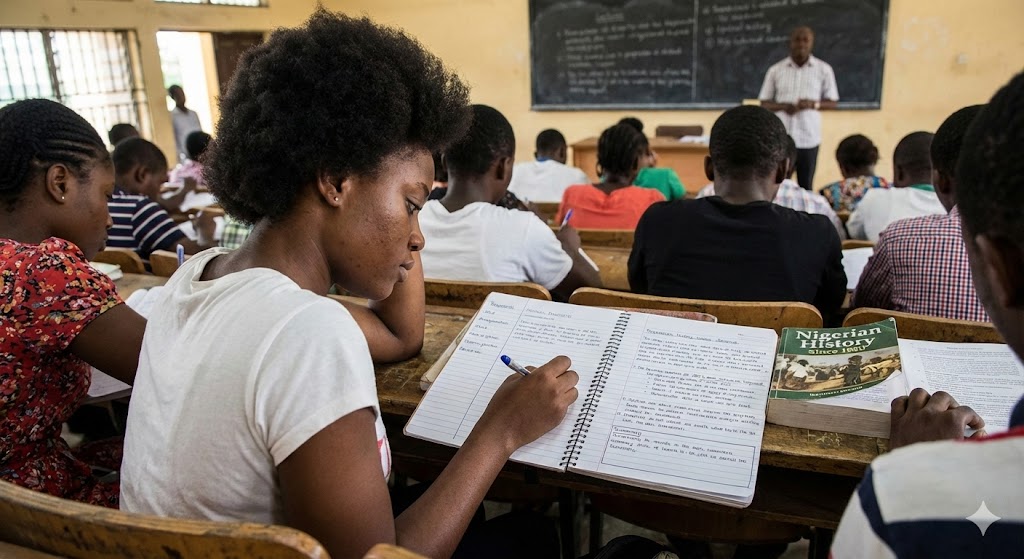
You are short on time, the exam is close, and you need a plan that works. This guide answers the main question right away: how to prepare for an exam in short time. Start by triaging the syllabus with past questions, make a micro schedule of 25 minute focus blocks, replace rereading with active recall drills, mark your answers against a scheme, then fix weak spots with short reviews. Pack your exam day logistics early, sleep properly, and arrive with a simple recall sheet. Everything here is tuned for Nigerian realities, power that can flicker, data that is not always cheap, crowded libraries, and busy transport. Key takeaways Triage first, find the 20 percent of topics that drive most marks, use past questions to choose. Build a micro schedule with 25 minute focus blocks and 5 minute breaks, place hard topics early. Use active recall, closed book answers, and past paper drills, stop passive rereading. Run a rapid feedback loop, mark against the scheme, fix only weak items, not entire chapters. Protect sleep and logistics, pack ID and tools the night before, review one recall page in the morning. Use simple templates, a timetable, a past questions tracker, and a one page recall sheet, to remove decision fatigue. What is how to prepare for an exam in short time Simple definition and why it matters now When we say short time, we mean between 24 hours and 7 days before an exam. This is a rescue plan, not a full semester revision. The goal is simple, capture the highest yield marks with the least time. Research shows that testing yourself improves memory more than rereading. How to prepare for an exam in short time, step by step Step 1, triage the syllabus and past questions, 60 minutes Collect the official syllabus or course outline, plus three to five years of past questions. Skim the verbs in each question, explain, outline, calculate, analyze, and note which topics repeat. Create a simple two column list, Topic and Likely Marks. Circle the top five topics that recur most often. For each, write one sentence plain English definitions. This sets the target for the rest of the plan. If you only have 24 hours, pick three topics, if you have 3 to 7 days, pick five to eight. Triage tips for Nigeria conditions: If printing is hard, take phone photos of the noticeboard outline, or ask a class rep for the PDF. Join course WhatsApp or Telegram groups for shared files. If the lecturer released a list of likely areas, prioritize them, but still check past papers for patterns. Step 2, build a micro schedule with 25 or 30 minute focus blocks Choose a schedule that fits your window, 1 to 3 days, or 4 to 7 days. Use 25 minute focus blocks with 5 minute breaks, or 30 and 5 if that feels better. Place the toughest topics first when your focus is fresh. Reserve the last two blocks each day for quick review and a short quiz. If power is unstable, lean on printed notes, phone screenshots, or a charged power bank, and use daylight hours for heavier reading. Sample schedule for 48 hours: Day 1 morning, 4 blocks on Topic A, closed book drills, then mark. Day 1 afternoon, 4 blocks on Topic B, end with a 10 minute recall sweep. Day 1 evening, 2 blocks on mixed questions, then pack your bag, sleep. Day 2 morning, 3 blocks on Topic C, 1 block on formulas and definitions. Day 2 afternoon, 3 blocks on past paper set, mark and repair weak list. Day 2 evening, 1 block on recall sheet, 1 block on calm breathing, sleep. Step 3, make active recall your default Replace rereading with recall. Close the book and answer a past question from memory, then check the scheme. Build quick question cards with a term on one side and a short answer on the other, especially for definitions, formulas, and steps. For calculation subjects, write the formula from memory, then plug numbers into one example question. For essay subjects, write a three point outline with topic sentences, then fill the detail from memory. Testing yourself strengthens memory more than passive review, Roediger and Karpicke, Psychological Science, April 2006. Recall formats that work fast: One minute brain dump, list everything you know about a topic, then check. Two question drill, pick two common past questions, answer closed book, mark. Three step solution, write formula, write substitution, write conclusion, check units. Outline and speak, say your points aloud for two minutes, then compare to notes. Step 4, create a rapid feedback loop After each set of questions, mark strictly against a scheme or model answer. Put errors into a Weak List, concept, page reference, and a one line fix. Redo only those items the next block. If you cannot find a scheme, ask a class group for a marking guide, or use the textbook’s end of chapter answers as a proxy. Keep the loop short, attempt, mark, repair, then move on. Track your scores simply, 3 of 5 correct on Topic A, now 4 of 5 after repair, so you can see progress and morale stays up. What counts as a fix: A fix is not rereading the chapter. A fix is writing the step you missed, the formula you forgot, or the keyword the examiner expects. Write it on the Weak List. Redo the same question after one block, then again at night for a spaced check. Step 5, sort exam logistics and calm Pack your ID card, two pens, pencil, eraser, sharpener, calculator if allowed, and a transparent water bottle. Plan your transport, leave buffer time for Lagos traffic or campus shuttles. Make a one page recall sheet with formulas, definitions, and diagrams. Sleep six to eight hours, short sleep hurts memory consolidation, Krause et al., Nature Reviews Neuroscience, June 2017. On the morning, do ten minutes of recall, not new study, arrive early, and breathe steadily before … Read more

How I Spent My Last Holiday Essay in English (450 Words for Students)

how i spent my last holiday essay 450 words

How I Spent My Last Holiday Essay 450 Words: An Informative and Fun Experience Introduction Holidays are a great opportunity to take a break from the usual routine and explore new experiences. They provide the perfect chance to unwind, relax, and perhaps even learn something new. My last holiday was no different. It was a time full of adventures, personal growth, and joy. While planning every detail ahead of time, I was careful to strike a balance between relaxation and excitement. The memories I created will stay with me for a lifetime. In this article, I will walk you through the highlights of how I spent my last holiday. From exploring exotic locations to indulging in new hobbies, each moment was packed with something special. I hope that this detailed narrative will inspire you to think about your next holiday and make it an unforgettable experience too. Planning My Holiday: The Key to Success Planning plays a crucial role in making any holiday a success. For my holiday, I began preparations months in advance. Read also: Easy Debate Topics for Primary Pupils: Fun Ideas for Young Learners This allowed me to research the best destinations, activities, and accommodation options. I prioritized setting clear goals for what I wanted to achieve during the holiday, including relaxation, cultural exploration, and adventure. To start, I set a budget that would cover travel expenses, accommodation, food, and entertainment. I also allowed a bit of extra room for unexpected purchases and spontaneous activities. With this foundation in place, I was ready to dive into detailed planning. When selecting a destination, I sought out a place that would offer a blend of relaxation and adventure. After extensive research, I chose a coastal town with rich history, beautiful beaches, and exciting activities like snorkeling and hiking. In addition to the destination, I planned my itinerary day by day. This included a mix of sightseeing, outdoor adventures, and downtime. By balancing activities with rest, I could ensure a holiday that was both fulfilling and relaxing. See also: Best 300 Words Essay on How I Spent My Holiday Overall, planning was the key to success for my holiday. With every detail taken care of in advance, I could fully enjoy each moment without stress or worry. The Coastal Town – A Perfect Blend of Nature and Culture The coastal town I chose for my holiday was nothing short of breathtaking. Nestled between rolling hills and sparkling waters, this town offered the perfect blend of nature and culture. See now: How to Start a Debate: A Complete Guide for Students and Beginners Its rich history was evident in every corner, from ancient ruins to charming cobblestone streets. Exploring the town was like stepping back in time. The architecture was a beautiful mix of colonial and local styles, with colorful facades and intricate detailing. Each street held a story, and I found myself captivated by the tales of the past. While the town itself was a treasure trove of history, its natural beauty was equally impressive. The beaches were pristine, with soft golden sands and crystal-clear waters. The surrounding hills offered stunning views and were perfect for hiking and exploring. I spent several days simply wandering through the town, taking in the sights and sounds. Whether I was visiting museums, browsing local markets, or relaxing at a beachside café, every moment was filled with a sense of wonder and discovery. This coastal town was the perfect destination for my holiday. It offered a harmonious blend of culture, history, and natural beauty that left a lasting impression on me. Outdoor Adventures – Exploring the Wild Side One of the highlights of my holiday was the opportunity to explore the great outdoors. The coastal town was surrounded by natural beauty, from rugged cliffs to lush forests. This made it the perfect setting for outdoor adventures. I started my adventures with a hike through the hills that surrounded the town. The trails were well-marked, and the views were absolutely breathtaking. Along the way, I encountered wildlife, including colorful birds and playful monkeys. It was a refreshing escape from the hustle and bustle of everyday life. Another outdoor activity I thoroughly enjoyed was snorkeling. The waters off the coast were teeming with marine life, from vibrant coral reefs to schools of tropical fish. I spent hours exploring the underwater world, marveling at the beauty of the ocean. Read now: Tips for Writing a Compelling Argumentative Essay For those seeking more adrenaline-pumping activities, there were options like kayaking, zip-lining, and rock climbing. While I didn’t try them all, I appreciated the variety of options available for adventure seekers. Overall, my outdoor adventures were a highlight of the holiday. They allowed me to connect with nature and experience the thrill of exploring new environments. Culinary Delights – A Journey of Flavors No holiday is complete without indulging in the local cuisine. The coastal town I visited was known for its fresh seafood and vibrant flavors. Every meal was a delightful journey of taste and texture. I started my culinary adventure with a visit to a local seafood restaurant. The menu was filled with fresh catches of the day, from succulent lobster to grilled fish. Each dish was prepared with care, using local herbs and spices that elevated the flavors. In addition to seafood, the town offered a variety of other culinary delights. I sampled traditional dishes, including hearty stews, flavorful rice dishes, and mouthwatering pastries. Each meal was a reflection of the town’s rich cultural heritage. One of my favorite experiences was visiting the local market, where I could see the ingredients used in the dishes firsthand. The market was a vibrant place, filled with the sights and smells of fresh produce, herbs, and spices. See now: Primary Six Common Entrance Past Questions: The Complete Guide for Students and Parents I even had the chance to take a cooking class and learn how to prepare some of the dishes myself. Overall, the food was a major highlight of my holiday. Every … Read more

Best Debate Points: Why Mothers Are Better Than Fathers

Best Debate Points: Why Mothers Are Better Than Fathers

The debate on whether mothers are better than fathers has been around for years. Some people argue that fathers provide strength and protection, while others believe mothers play a more important role because of their patience, sacrifice, and emotional bond with children. In truth, both parents are important. Families need fathers and mothers to work together to raise happy and healthy children. But in a debate competition, if you are given the topic “Mothers are better than fathers,” you will need convincing points to prove your side. This article gives you 10 clear, practical, and winning debate points you can use. It also includes answers to common questions and tips to help you perform better in debate competitions. Debate Points: Mothers Are Better Than Fathers 1. Mothers Are Naturally Closer to Their Children From pregnancy to childbirth, mothers form a natural bond with their babies. This closeness continues as children grow, making mothers more emotionally connected than fathers. Read on: Easy Debate Topics for Primary Pupils: Fun Ideas for Young Learners Children often run to their mothers first when they are sad or sick. The connection begins even before birth and lasts a lifetime. 2. Mothers Can Breastfeed – Fathers Cannot One strong point in this debate is that mothers can breastfeed, while fathers cannot. Breast milk contains nutrients that no formula can fully replace. Breastfeeding strengthens the emotional bond between mother and child. This natural ability makes mothers irreplaceable in the early years of a child’s life. 3. Mothers Are More Patient Parenting requires a lot of patience, especially with young children. Mothers are often more patient when kids cry, misbehave, or make mistakes. Fathers are usually stricter and quick to discipline. Mothers often guide children with calmness, helping them learn through love. 4. Mothers Comfort Better Than Fathers When children face stress, fear, or failure, they often find comfort in their mothers. Mothers listen more, hug more, and reassure their children. Their natural nurturing spirit helps children feel safe and supported. 5. Mothers Sacrifice More Mothers often sacrifice personal goals for the sake of their families. Many mothers put careers on hold to raise children. They sacrifice sleep, comfort, and sometimes even health to care for their families. This level of sacrifice shows why mothers stand out. 6. Mothers Spend More Time with Children In most families, mothers are the ones who: Help with homework. Attend school meetings. Cook, clean, and ensure the home is in order. While fathers may provide financially, mothers provide daily care and attention. See now: Primary Six Common Entrance Past Questions: The Complete Guide for Students and Parents 7. Mothers Teach Morals and Values Mothers are often a child’s first teacher. They teach children good manners, honesty, respect, and responsibility. Many life lessons that shape a child’s character come from mothers. Without mothers, children may miss this early foundation. 8. Mothers Are More Protective Mothers are known to be naturally protective of their children. They are quick to notice when something is wrong. They often put their children’s safety above their own. This protective instinct ensures children grow up in safe and loving environments. 9. Mothers Balance Multiple Roles Better Mothers are excellent multitaskers. They can: Care for children. Manage household chores. Pursue careers. This ability to handle multiple responsibilities makes mothers strong pillars of the family. 10. Mothers Shape the Future of Society Teachers and leaders often say: “When you educate a mother, you educate a nation.” Mothers raise the next generation of leaders, doctors, engineers, and teachers. Their influence shapes society’s future. Without mothers’ guidance, the world would not have the leaders and innovators we see today. Read also: Best Debate Greetings: How to Greet Judges and Audience with Confidence Debate Tips: How to Use These Points Always start with a greeting: “Good day, honourable judges, panel of teachers, and fellow students…” Use clear language and examples when giving your points. Maintain confidence with eye contact and good posture. Conclude by summarizing your strongest points, for example: “In conclusion, mothers are better than fathers because they are more patient, more protective, and naturally closer to their children. While fathers are important, mothers bring unique qualities that no one else can replace.” Frequently Asked Questions (FAQs) 1. Why are mothers considered better than fathers? Because mothers are naturally more patient, nurturing, and emotionally connected to their children. They sacrifice more, spend more time with their kids, and guide them through life’s challenges. 2. Why is the mother more important in a family? The mother provides life through childbirth, nourishment through breastfeeding, and guidance through love, making her central to family well-being. 3. Are mothers more protective than fathers? Yes. Mothers often notice dangers first and act quickly to protect their children. Their emotional bond also makes them more alert to their child’s needs. 4. Do mothers make more sacrifices than fathers? Yes. Mothers often give up personal time, sleep, and career opportunities to care for their families. 5. Who is better: mother or father? Both are important, but in debate competitions, you can argue that mothers are better than fathers because of their natural patience, emotional bond, and sacrifices. Read now: Fully Funded Leiden University Scholarship in the Netherlands Conclusion When debating “Mothers are better than fathers,” the goal is not to reduce the role of fathers but to highlight the unique qualities of mothers. From breastfeeding and patience to teaching morals and sacrificing personal comfort, mothers prove themselves as the backbone of the family. So, if you are preparing for a school or public debate, remember these strong points. Speak with confidence, back your arguments with examples, and end with a clear conclusion. At the end of the day, both parents are important, but in this debate, the evidence strongly shows that mothers are indeed better than fathers.  

Simple Debate Greetings and Introductions That Work

How to Start a Debate: A Step-by-Step Guide for Students

Debating is one of the most exciting parts of school life. It gives you a chance to speak your mind, sharpen your thinking, and even win over a crowd. But here’s the challenge: many students know what they want to say, yet they struggle with how to start a debate. The beginning matters. It’s like the opening scene of a movie, if it’s boring, people won’t stay tuned. In this guide, I’ll walk you through everything you need to know about starting a debate the right way. From greetings to introductions, body language, and closing strategies, you’ll learn how to impress judges and connect with your audience. What Is a Debate? A debate is a structured discussion between two sides: one supporting a motion (affirmative) and one opposing it (negative). Each side takes turns presenting points, giving evidence, and responding to each other. For example, a school debate might ask: “Should homework be banned?” One side argues yes, while the other argues no. The goal isn’t just to “win,” but to clearly share your ideas, defend your points, and respect the other side. Why the Start of a Debate Matters First impressions stick. The way you greet the judges, audience, and opponents sets the tone for everything that follows. Think of it like a first handshake, firm, respectful, and confident. If you stumble, mumble, or sound unprepared, your audience might tune out before you even begin. That’s why knowing how to start a debate properly can make a huge difference. Check out: Best Debate Greetings: How to Greet Judges and Audience with Confidence How to Prepare Before Starting a Debate Before stepping up to speak, here are three things you should do: Know your topic – Research both sides so you can defend your points and respond to challenges. Practice your greeting and intro – Don’t memorize word-for-word, but rehearse so you feel natural. Check your body language – Stand tall, smile, and project confidence even if you’re nervous. Debate Greetings: How to Greet the Audience The first words out of your mouth should always be a greeting. This shows respect to your judges, audience, and fellow debaters. A standard format is: “Good day, honorable judges, accurate timekeeper, my fellow debaters, and the audience. I am here to support/oppose the motion that says… [state your topic].” This greeting is polite, formal, and sets the stage for your arguments. Simple Examples of Debate Greetings Here are some ready-to-use greetings: “Good day everyone, honorable judges, timekeepers, fellow students, and my opponents. I stand before you to support the motion that says health is better than wealth.” “Respected judges, accurate timekeeper, my worthy opponents, and fellow debaters. Today, I rise to oppose the motion that social media does more harm than good.” “Hello everyone, I am pleased to speak on this topic. We are here to debate why physical education is better than online learning, and I support the motion.” Notice that each greeting is respectful, clear, and leads into the main topic. See now: Scholarships to Study in the United States: Everything you need to know to get one How to Introduce Yourself in a Debate After your greeting, introduce yourself and your stance. Keep it short. For example: “My name is [Name], and I will be speaking in favor of the motion that says… [topic].” This is not the time for your life story. Stay focused on the debate motion. Best Debate Introduction Examples Here are a few simple introductions you can adapt: “Good day honorable judges, my name is Sarah, and I am here to support the motion that says health is better than wealth. Health is priceless, while wealth can come and go.” “Respected audience, my name is David. I oppose the motion that school uniforms should be mandatory. I believe uniforms limit freedom of expression.” How to Deliver Your First Point with Confidence Your first argument should be strong and simple. Don’t rush, pause after your introduction before jumping into your points. For example: “My first point is that health is the foundation of happiness. Without good health, wealth loses its meaning.” Clear, short, and impactful. How to Use Voice and Body Language Your words matter, but your body language and voice make them powerful. Voice: Speak loudly enough for everyone to hear, but don’t shout. Use pauses to emphasize key points. Body language: Stand straight, avoid slouching, and use hand gestures naturally. Eye contact: Look at the audience, not just the judges. This makes you seem confident and connected. How to Stay Calm and Control Fear Almost everyone feels nervous before speaking. The trick is to manage it. Take a deep breath before you start. Focus on the audience, not the judges. Remind yourself: everyone is here to listen, not to laugh at you. Confidence grows with practice. Tips for Engaging with the Audience Your audience wants to feel included. Here’s how: Ask rhetorical questions: “Can money really buy happiness?” Use examples they can relate to: school, family, or popular culture. Keep your language simple and direct. See also: Debate: Oppose the Motion That Says a Female Child Is Better Than a Male Child How to Respond to Opponents Respectfully Debating is not fighting. Always show respect. Say: “My opponent argued that wealth brings happiness. However, I disagree because…” Avoid: “That’s wrong” or “You don’t know anything.” Respect wins points. Rudeness loses them. Debate Conclusion: How to End Strong A strong conclusion repeats your main point and leaves a lasting impression. Example: “In conclusion, health is better than wealth because good health is the foundation of happiness, cannot be bought, and is irreplaceable. Thank you.” Simple, clear, and powerful. Common Mistakes to Avoid in Debate Openings Speaking too fast or too slow Forgetting to greet the audience Using slang or rude language Avoiding eye contact Reading directly from notes without looking up Final Thoughts on How to Start a Debate Starting a debate isn’t about memorizing fancy words. It’s about showing respect, speaking clearly, and delivering your points with … Read more

Teachers Are Better Than Farmers: A Complete Debate Guide

Teachers Are Better Than Farmers: 7 Strong Debate Points

Good day, honorable judges, accurate timekeeper, my worthy opponents, and beloved audience. Today we are here to discuss an interesting debate topic: “Teachers are better than farmers.” Before we begin, let’s make something clear, both teaching and farming are important. Without farmers, there would be no food to eat, and without teachers, there would be no knowledge to guide society. Both professions are pillars of human survival. However, for the sake of this debate and educational discussion, we will focus on the reasons teachers are considered better than farmers. Teachers are the backbone of every profession. They pass down knowledge, inspire growth, and help shape future generations. In fact, even farmers need teachers to learn improved methods of planting, food preservation, and technology. In this article, we will explore seven strong reasons why teachers are better than farmers, backed by examples and explanations. Teachers Are Better Than Farmers: 7 Strong Debate Points 1. Teachers Have Vast Knowledge Teachers are seen as the center of knowledge. They study different subjects and pass that knowledge on to others. A teacher doesn’t only teach reading and writing; they also prepare people for other professions, including farming. For example: A science teacher can explain how crops grow using soil nutrients. An economics teacher can show farmers how to manage profits. An agricultural teacher can improve farming methods. This proves that teachers are not limited to one field. They build every other profession. Farmers, doctors, engineers, and lawyers all pass through teachers before becoming experts. So, while a farmer may feed the nation, it is the teacher who trains the farmer to farm better. 2. Teachers Can Also Be Farmers Many people forget that teachers can also practice farming. In fact, research shows that a large number of teachers own farmland and grow crops. Why? Because the knowledge they have about agriculture gives them the ability to succeed in farming. On the other hand, it is difficult for farmers to become teachers. See now: Scholarships to Study in the United States: Everything you need to know to get one Farming knowledge alone is not enough to teach subjects like mathematics, history, or technology. This shows that teachers have a wider scope, they can teach, farm, and still excel. 3. The Demand for Teachers Is Greater Another reason teachers are better than farmers is because of higher demand. Farming is a natural activity, almost anyone can grow food if they try. But teaching is different. Not everyone can explain concepts, guide students, and inspire young minds. For example, every community needs: Kindergarten teachers for early childhood education. High school teachers to train teenagers. University lecturers to prepare professionals. Society will always need teachers to build knowledge in every generation. This makes teachers one of the most highly demanded professions in the world. 4. Teaching Is Less Stressful and More Enjoyable Farming is one of the most physically demanding jobs. See more: Gates Cambridge Full Scholarships in the UK 2025 Farmers wake up early, clear land, plant seeds, water crops, and sometimes spend long hours under the sun or rain. Their work requires physical strength and energy. Teaching, however, involves intellectual work. Teachers spend most of their time in classrooms, speaking, writing, or preparing lessons. While it comes with challenges, it is generally less stressful than tilling the soil or harvesting crops. Additionally, teaching can be fun and interactive. Teachers talk to students, engage in discussions, and share ideas. Farming, on the other hand, often involves working alone with tools and soil. 5. Teachers Help Build the Nation Teachers are known as nation builders. Every profession in society is a product of teachers. Doctors, engineers, pilots, and even presidents were all once students. Without teachers, these people could not reach their full potential. A farmer may provide food, but it is the teacher who trains leaders to manage food supply, improve farming technology, and make laws about agriculture. Teachers plant seeds of knowledge that grow into great achievements for the entire country. This is why societies that invest in education are often more developed than those that only depend on farming. 6. Professional Teachers Earn More Some people argue that farmers earn a lot of money, especially when they own large farms. That may be true. Read also: The American university system: What are the advantages of studying in the USA? However, professional teachers with advanced degrees or specialized knowledge often earn more in the long run. For example: A university professor can earn a salary in one month that might take a small farmer a year to achieve. Teachers in developed countries receive competitive pay, health benefits, and job security. This shows that while farming is important, the teaching profession provides better financial stability for those who excel in it. 7. Teachers Drive Technology and Innovation Without teachers, there would be no technology. Think about it: every scientist, inventor, and innovator started with the guidance of a teacher. Technology used in farming today, such as tractors, irrigation systems, and food preservation methods exists because teachers passed knowledge to inventors. This means teachers are not only shaping classrooms but also pushing society forward with innovation. Balancing the Debate: Why Farmers Are Still Important While we argue that teachers are better than farmers, we must still recognize the importance of farmers. Without farmers, there would be no food for teachers, students, or the population. Farming provides the physical strength of a nation, while teaching provides the intellectual growth. So, both are important, but teachers have the edge because they train every other profession, including farmers. READ NOW: Debate: Oppose the Motion That Says a Female Child Is Better Than a Male Child Conclusion In conclusion, the debate about whether teachers are better than farmers shows us one important truth: both professions matter. Farmers feed us, while teachers guide us. But when comparing the two, teachers come out stronger because: They hold vast knowledge. They can work in multiple professions. They are always in demand. They experience less stress. They help build … Read more

Best Debate Greetings: How to Greet Judges and Audience with Confidence

Best Debate Greetings

Debating is one of the most powerful ways for students to build confidence, sharpen their thinking, and improve public speaking skills. But let’s be honest, starting a debate can feel scary. The moment you stand up, all eyes are on you. The first words you say matter a lot because they set the tone for your entire performance. That’s where debate greetings come in. A strong, respectful, and confident greeting not only shows that you are prepared but also earns you points in the eyes of judges and respect from your opponents. In fact, many students who perform poorly in greetings often lose marks before they even share their main arguments. So, what are the best debate greetings? How do you greet your judges, opponents, and audience in a polite yet powerful way? In this guide, we’ll explore everything you need to know about greetings in debate competitions, from sample greetings to body language tips, common mistakes to avoid, and even how to connect greetings to your arguments. What Are Debate Greetings? Debate greetings are the opening words spoken by a debater when starting their speech. It usually includes acknowledging the judges, timekeepers, opponents, and audience. A debate greeting might sound like: “Good day, honorable judges, accurate timekeeper, fellow debaters, and my esteemed audience. I am here to support the motion that health is more valuable than wealth.” This simple structure shows respect and prepares everyone to listen to your arguments. Why Are Debate Greetings Important? Debate greetings may seem small, but they carry big weight. Here’s why they matter: First impression counts: Judges often score confidence and presentation. A strong greeting builds instant credibility. Shows respect: Greeting your audience politely reflects good manners and sportsmanship. Calms nerves: Starting with a structured greeting helps reduce stage fright—it’s like a warm-up before your arguments. Sets the tone: A greeting prepares the audience for what’s coming next and gives you momentum to deliver your points. Think of it like opening a door politely before entering someone’s home. Greetings are that door in debates. Basic Structure of the Best Debate Greetings Every good debate greeting has a clear structure. Here’s a simple way to remember it: Salutation – “Good morning/Good day.” Address the judges and officials – “Honorable judges, accurate timekeeper.” Acknowledge your peers – “My fellow students, co-debaters.” Introduce yourself and your side – “I am here to support/oppose the motion…” Check out: Debate on Farmers Are Better Than Teachers Example: “Good morning, honorable judges, accurate timekeeper, fellow debaters, and respected audience. My name is Sarah Johnson, and I am here to support the motion that social media does more harm than good.” Examples of the Best Debate Greetings 1. Formal Greeting Example “Good day, honorable judges, accurate timekeeper, my fellow debaters, and respected audience. I rise to speak in support of the motion that education is better achieved in physical classrooms than in online learning.” 2. Simple Greeting Example “Hello everyone. Today, I will argue that health is more important than wealth. Both matter, but let’s explore why health comes first.” 3. Friendly Greeting Example “Good morning, friends. It’s an honor to stand here today. I am here to oppose the motion that social media does more harm than good. Let’s take a closer look at why social media, when used wisely, can be a force for good.” 4. Creative Greeting Example “Imagine a world without health. Wealth would lose its meaning. Good morning, honorable judges, accurate timekeeper, and dear audience. Today, I stand in support of the motion that health is more valuable than wealth.” Tips for Delivering the Best Debate Greetings 1. Speak Slowly and Clearly Don’t rush your greeting. Pronounce every word so the audience understands you. 2. Make Eye Contact Look at your audience, not the floor. A trick is to focus on friendly faces in the crowd or just above people’s heads. See also: Debate on Teachers Are Better Than Farmers: Full Debate with Examples 3. Use a Confident Voice Your voice should be loud enough for everyone to hear but not shouting. Confidence without arrogance is the goal. 4. Smile Gently A warm smile can relax both you and your audience. 5. Practice Beforehand Practice your greeting several times until it feels natural. Mistakes to Avoid in Debate Greetings Even the best students sometimes make errors. Here are common mistakes to avoid: Skipping the greeting – Jumping straight to your arguments is rude and unprofessional. Being too casual – Saying “Hey guys!” in a formal debate setting looks unprepared. Speaking too softly – Judges must hear you clearly. Using rude terms – Never insult your opponents or audience in your greeting. Overcomplicating – Keep greetings short and polite; don’t make them longer than necessary. Connecting Greetings to Debate Topics A smart way to make greetings stronger is by linking them to your topic. For example: Motion: “Should homework be banned?” Greeting: “Good day, honorable judges and fellow students. I am excited to present my argument on the motion that homework should not be banned, as it plays a vital role in strengthening classroom learning.” Motion: “Is health more valuable than wealth?” Greeting: “Good morning, respected judges, my fellow debaters, and dear audience. Today, I stand in support of the motion that health is more valuable than wealth. Without good health, wealth loses its value.” This technique makes your opening memorable and relevant. See also: Greetings for Debate: How to Start with Confidence and Style How to Build Confidence for Debate Greetings Confidence doesn’t come overnight, but here are strategies that help: Practice in front of a mirror – Notice your posture and facial expressions. Record yourself – Listen to your tone and improve it. Rehearse with friends – Get feedback and grow comfortable speaking to people. Control your breathing – Deep breaths calm your nerves before speaking. Visualize success – Imagine yourself greeting the audience perfectly, it boosts confidence. Voice and Body Language During Greetings Voice Tips Be conversational, not robotic. Emphasize important words. Avoid filler words … Read more

How to Start a Debate: A Complete Guide for Students and Beginners

how to start a debate

Have you ever been asked to join a debate and wondered, “How do I even start?” You’re not alone. For many students, the idea of standing up in front of an audience and arguing for or against a topic can feel overwhelming. But here’s the good news: debating is a skill you can learn and master with practice. In this guide, we’ll break down how to start a debate step by step, from the role of the chairperson to what the first speaker should say. We’ll also cover tips for speaking with confidence, keeping your audience engaged, and avoiding common mistakes. By the end, you’ll not only know how to start a debate, but also how to carry yourself like a pro. What Is a Debate? A debate is a structured discussion where two or more people argue about a specific topic, known as the debate resolution. See also: Why Female Education Might Be Better Than Male Education: Debates, Arguments, and Evidence One side supports the resolution (the affirmative), while the other side argues against it (the negative). Unlike casual arguments, debates follow rules, time limits, and require respect between speakers. Think of a debate like a friendly competition of ideas. It’s not about shouting louder or insulting your opponent. Instead, it’s about presenting your thoughts clearly, backing them up with evidence, and persuading your audience. Why Learning How to Start a Debate Matters First impressions matter. The opening of a debate sets the tone for everything that follows. If you begin with confidence, clear communication, and respect, you capture the attention of your audience and judges right away. On the other hand, a weak or messy start can make it harder for your team to recover, even if your arguments are strong. Learning how to start a debate properly gives you an advantage and makes your entire performance more effective. The Role of the Chairperson in a Debate Before any debater speaks, the chairperson plays an important role in getting things started. The chairperson: Read also: How to Start a Debate – A Step-by-Step Guide Reads the debate resolution aloud so everyone understands the topic. Introduces the speakers, judges, and timekeeper. Announces the first speaker, who officially opens the debate. Without the chairperson’s introduction, the debate cannot begin in an organized way. The Structure of a Formal Debate Debates usually follow a clear order: The chairperson announces the topic and speakers. The first affirmative speaker begins by introducing the topic and presenting arguments. The first negative speaker responds. Both sides continue in turn, presenting arguments and rebuttals. The debate closes with concluding remarks from both sides. This structure keeps the debate fair and allows each team to present their case. The First Steps: How a Debate Is Officially Started To officially start a debate: Check out: How Parents Can Help With School Debates in Nigeria The chairperson announces: “The resolution of today’s debate is…” They introduce the debaters and judges. The first affirmative speaker rises, greets the audience, and begins their speech. This formal process ensures that everyone knows what is happening and who is speaking next. How to Introduce Yourself as a Debater When you rise to speak, confidence is key. A typical introduction might sound like this: “Good day, honorable judges, respected opponents, and my fellow audience members. My name is [Your Name], and I am the first speaker for the affirmative side of today’s debate.” This simple introduction makes you sound respectful and professional without being too formal or robotic. How to Greet the Audience and Opponents Good manners are essential in debates. You can greet your opponents and teammates respectfully by saying: “Friends.” “My respected opponent.” “The first speaker for the negative.” “My colleague and I.” These small gestures show politeness and keep the debate atmosphere friendly, even if the arguments get heated. See now: The New National Anthem of Nigeria Lyrics and Significance Voice, Tone, and Body Language in a Debate Your words are important, but so is the way you deliver them. Here are some quick tips: Voice: Speak clearly and loud enough for everyone to hear, but don’t shout. Tone: Keep it conversational, sincere, and firm. Body Language: Stand tall, make eye contact, and use gestures naturally. Avoid fidgeting or awkward movements. Remember, your body speaks before your words do. What the First Speaker Should Do The first speaker carries a lot of responsibility. Here’s what they should do: Define the resolution clearly. Present the main arguments for their side. Set the stage for their teammates to expand on those points. A strong first speech builds the foundation for your team’s success. Building Confidence Without Cockiness Confidence is attractive in debates, but arrogance can turn people off. The trick is to sound sure of yourself without acting like you’re the only one who’s right. Be polite, even when disagreeing. Use facts and logic, not personal attacks. Keep your cool if challenged. Confidence shows respect for your audience and makes your arguments more persuasive. Using Humor and Politeness in Debates A touch of humor can make your speech memorable, but don’t overdo it. Humor should lighten the mood, not distract from your points. Read on: The American university system: What are the advantages of studying in the USA? Politeness is even more important, always respect your opponents, even if you disagree strongly. Working with Teammates During a Debate Debating is a team effort. Here are some teamwork rules: Whisper quietly to share quick notes, don’t distract the audience. Support your teammates’ points instead of repeating them. Stay consistent in tone and strategy. Good teamwork shows professionalism and increases your chances of winning. Common Mistakes to Avoid When Starting a Debate Speaking too softly or too loudly. Forgetting to greet the audience and judges. Starting without a clear introduction. Sounding rude or sarcastic. Reading directly from notes without eye contact. Avoiding these mistakes helps you appear more polished and persuasive. Read more: Primary Six Common Entrance Past Questions: The Complete Guide for Students and Parents Practice Tips to Improve … Read more

Common Entrance Questions for Primary Six PDF – Download and Study Guide

The Primary Six Common Entrance Examination is a major step for pupils moving from primary to secondary school. Preparing well is the key to passing, and one of the best tools for preparation is a PDF copy of common entrance past questions. Having the questions in PDF makes studying easier since they can be read on phones, tablets, or printed out for practice. Why Choose Common Entrance Questions in PDF? Easy access: You can download and use them anytime. Portable: Study on your phone, tablet, or laptop. Printable: Print copies for offline revision. Reusable: PDFs last longer than paper booklets. Download Primary Six Common Entrance Past Questions PDF To help you prepare better, we’ve included a free PDF with sample past questions covering English, Mathematics, Verbal Reasoning, Quantitative Reasoning, and General Paper. Click here to download: primary_six_common_entrance_past_questions Subjects Covered in Primary Six Common Entrance Past Questions PDF English Language Comprehension passages Grammar corrections Vocabulary and spellings Letter/essay writing Mathematics Arithmetic operations Fractions and decimals Percentages Word problems Geometry and measurements General Paper Social Studies Science basics Current affairs and environment Verbal Reasoning Analogies Opposites/synonyms Logical sequences Quantitative Reasoning Number patterns Puzzles Word-based arithmetic Benefits of Using Common Entrance PDF Questions Builds familiarity with the exam style. Boosts confidence before the test day. Helps track areas where the pupil is weak. Increases speed and accuracy. How to Use Common Entrance Past Questions PDF Effectively Set a study timetable (1–2 hours daily). Practice under exam conditions with a timer. Review mistakes and learn the right solutions. Take mock exams at home before the real test. Where to Get Common Entrance Questions for Primary Six PDF School libraries and teachers often share soft copies. Educational websites in Nigeria offer free downloads. Bookshops and e-learning platforms sell compiled PDF versions. Download Primary Six Common Entrance Past Questions PDF To help you prepare better, we’ve included a free PDF with sample past questions covering English, Mathematics, Verbal Reasoning, Quantitative Reasoning, and General Paper. Click here to download: primary_six_common_entrance_past_questions Tips for Parents Helping Their Kids Prepare Download and print a PDF for daily use. Supervise practice sessions. Reward effort to motivate the child. Use both past questions and textbooks for balance. Conclusion Getting Primary Six Common Entrance Questions in PDF is one of the smartest ways to prepare your child for success. With consistent practice in English, Mathematics, General Paper, Verbal and Quantitative Reasoning, pupils can enter the exam hall confident and ready. FAQs on common entrance questions for primary six pdf 1. Can I download Primary Six Common Entrance past questions for free? Yes, many websites provide free downloads in PDF format. 2. Are the questions the same every year? No, but many questions are repeated or set in similar styles. 3. Can I print the PDF for my child? Yes, printing is encouraged for offline study. 4. How many years of past questions should my child practice? At least 5–10 years of past questions are recommended. 5. Do I still need textbooks if I have the PDF? Yes, textbooks are needed to explain concepts while past questions help with practice.

Primary Six Common Entrance Past Questions: The Complete Guide for Students and Parents

primary six common entrance past questions

The Primary Six Common Entrance Examination is one of the most important exams for pupils in Nigeria and other West African countries. It is the gateway into junior secondary school and helps determine placement into federal, state, or private secondary schools. For many families, this exam represents a major milestone. One of the best ways to prepare for this exam is through Primary Six Common Entrance past questions. These past papers not only show pupils what to expect but also give them the confidence to perform better on the big day. Understanding the Structure of the Exam The exam usually covers three main subjects: English Language Mathematics General Paper (which includes Social Studies, Science, Verbal and Quantitative Reasoning) The test format may vary slightly, but pupils should expect both objective and theory questions. See more: Debate on Farmers Are Better Than Teachers Most exams last between 2 to 3 hours, so good time management is crucial. Why Use Past Questions for Preparation? Practicing with past questions is like having a sneak peek into the future. Some of the reasons include: Familiarity with exam pattern – Pupils understand how questions are set. Spotting repeated topics – Many exam bodies recycle questions. Boosting confidence – The more a pupil practices, the more confident they become. Subjects Covered in Common Entrance Exams English Language English is tested through comprehension, grammar, vocabulary, and writing. Pupils must be able to express themselves clearly and correctly. Mathematics Covers basic arithmetic, fractions, decimals, percentages, measurement, and geometry. Word problems are also common. General Paper A mixture of science, social studies, verbal and quantitative reasoning. This subject tests general knowledge and problem-solving skills. Check out: Greetings for Debate: How to Start with Confidence and Style Sample Topics in English Language Reading comprehension passages Grammar corrections Vocabulary and synonyms Writing short essays and letters (informal and formal) Sample Topics in Mathematics Addition, subtraction, multiplication, division Fractions and decimals Simple equations Word problems involving money, distance, and time Perimeter, area, and volume General Paper Breakdown Social Studies Questions on culture, government, environment, and history. Science Basics Covers topics like the human body, plants, animals, energy, and environment. Verbal Reasoning Tests logical thinking and ability to solve word-based puzzles. Quantitative Reasoning Mathematical puzzles that test problem-solving speed and accuracy. Read more: How Parents Can Help With School Debates in Nigeria Benefits of Practicing Past Questions Reduces exam fear and anxiety Improves speed in solving questions Helps identify strong and weak areas Increases chances of passing with high scores How Parents Can Help Children Prepare Parents play a big role in exam success. They can: Create a study timetable with breaks Provide a quiet, distraction-free space Encourage daily revision with past questions Organize mock exams at home How Teachers Use Past Questions in Schools Teachers know the importance of past questions. They often: Use them for group practice in class Give assignments based on past exam papers Teach pupils the best strategies to answer questions quickly and correctly Where to Find Reliable Past Questions School libraries often have collections of past papers. Bookshops sell compiled past questions. Online educational websites also provide downloadable versions, some free and others paid. Read now: Debate: Oppose the Motion That Says a Female Child Is Better Than a Male Child Tips for Answering Common Entrance Questions Read instructions carefully before answering. Don’t spend too much time on one question. Answer easier questions first, then return to difficult ones. Always review your answers before submitting. Mistakes Students Should Avoid Cramming without understanding Skipping weak subjects instead of practicing them Leaving questions unanswered when guessing could earn marks Success Stories from Using Past Questions Many successful pupils have shared how using Primary Six Common Entrance past questions helped them pass with flying colors. See also: Gates Cambridge Full Scholarships in the UK 2025 Some even reported seeing exact or similar questions in their actual exam. Conclusion The Primary Six Common Entrance past questions are one of the most powerful tools for exam success. They help pupils understand the exam format, build confidence, and avoid surprises on the test day. Parents and teachers can guide children to practice consistently, making sure they are well-prepared. With steady effort, success in the common entrance exam is within reach. FAQs on primary six common entrance past questions 1. How many subjects are in the Primary Six Common Entrance Exam? There are usually three main subjects: English Language, Mathematics, and General Paper. 2. How many years of past questions should I study? At least the last 5–10 years of past papers are recommended for solid preparation. 3. Are past questions alone enough to pass? No. Pupils should also study textbooks and practice class exercises alongside past questions. 4. What is the best way to study past questions? Practice them under exam-like conditions, check answers, and correct mistakes. 5. Can I get free past questions online? Yes, some educational websites offer free downloads, while others sell compiled versions.

How Parents Can Help With School Debates in Nigeria

How Parents Can Help With School Debates in Nigeria

In Nigeria today, school debates have become more than just classroom activities; they are platforms where pupils sharpen their voices, build their confidence, and prepare for future leadership roles. While teachers play a big role, parents are often the unsung heroes behind successful young debaters. But how exactly can parents help with school debates in Nigeria? Let’s dive in. Understanding School Debates A school debate is a structured argument where pupils present and defend ideas on specific topics. In Nigeria, debates are popular in primary and secondary schools as a way to build critical life skills. Read on: Debate on Education Is Better Than Money – Strong Points for Both Sides These contests train children to think fast, communicate clearly, and defend their opinions with logic. Benefits of Debating for Children Debating is more than standing in front of an audience. It offers: Confidence building – children overcome stage fright. Communication skills – they learn clear speech and active listening. Critical thinking – debating teaches analysis and reasoning. Leadership preparation – many Nigerian leaders today honed their skills in school debates. The Parent’s Role in School Debates Parents play a vital role in nurturing a child’s debating journey: Emotional support – cheering them on, no matter the outcome. Providing resources – giving access to books, the internet, or newspapers. Encouragement – motivating children to participate even when nervous. Creating a Debate-Friendly Environment at Home Parents can transform their homes into mini-debate practice grounds: Hold family discussions on topical issues like politics, technology, or sports. Encourage kids to argue respectfully with evidence. Use real-life issues in Nigeria (e.g., “Should students use mobile phones in school?”). Helping with Research Strong research builds strong arguments. Parents can guide by: Check out: Fully Funded Leiden University Scholarship in the Netherlands Showing children how to find reliable information online. Discussing Nigerian current affairs like elections, education, or healthcare. Teaching how to separate facts from opinions. Improving Communication Skills Parents can strengthen their child’s speech by: Practicing pronunciation and articulation. Encouraging storytelling or reading newspapers aloud. Correcting gently without discouraging the child. Building Confidence Confidence doesn’t appear overnight. Parents can: Encourage kids to speak in front of family and friends. Celebrate every small achievement, win or lose. Teach resilience by reminding them that mistakes are part of learning. Time Management Support Balancing schoolwork and debate practice is tough. Parents can: Help their children create schedules. Cut down distractions like excessive TV or social media. Set aside specific times for practice. Exposure to Debate Competitions The more a child sees, the more they learn: Attend inter-school debate competitions with them. Watch televised debates together. Study the styles of great public speakers in Nigeria. See now: The American university system: What are the advantages of studying in the USA? Encouraging Teamwork Debating is not just about individuals: Encourage children to work well in groups. Role-play as opponents or audience during practice. Teach them that teamwork often leads to stronger arguments. Providing Access to Resources Parents can give children tools for success: Buy debate-related books or journals. Provide access to the internet and libraries. Subscribe to newspapers for daily knowledge. Cultural and Local Context Debating in Nigeria should reflect society: Choose topics relevant to local issues. Encourage children to use Nigerian examples in their arguments. This makes debates relatable and engaging. Challenges Parents Face Despite the importance, some challenges exist: Read also: Debate Topics for Nigerian Schools 2025: Ultimate List for Primary; Secondary Students Time constraints for busy parents. Limited knowledge of formal debate rules. Overemphasis on winning, which can pressure children. Practical Tips for Parents To make things easier: Be a patient listener during practice. Offer constructive feedback, not harsh criticism. Teach children to ask questions and think critically. Conclusion School debates in Nigeria shape tomorrow’s leaders. With parental support, children not only perform better but also develop life-long skills. Read now: Fully Funded Scholarships for African Students in 2025 Encouragement, guidance, and patience from parents make the debating journey smoother, richer, and more impactful. FAQs 1. How can I prepare my child for a debate? By helping them research, practice at home, and boosting their confidence with encouragement. 2. What topics are suitable for Nigerian school debates? Topics like technology in schools, climate change, corruption, and gender equality are common. 3. How do I help if I know nothing about debating? Simply listen, ask questions, and encourage practice. Your support alone makes a difference. 4. How do I build my child’s confidence in public speaking? Let them practice in front of you, celebrate small wins, and correct mistakes kindly.